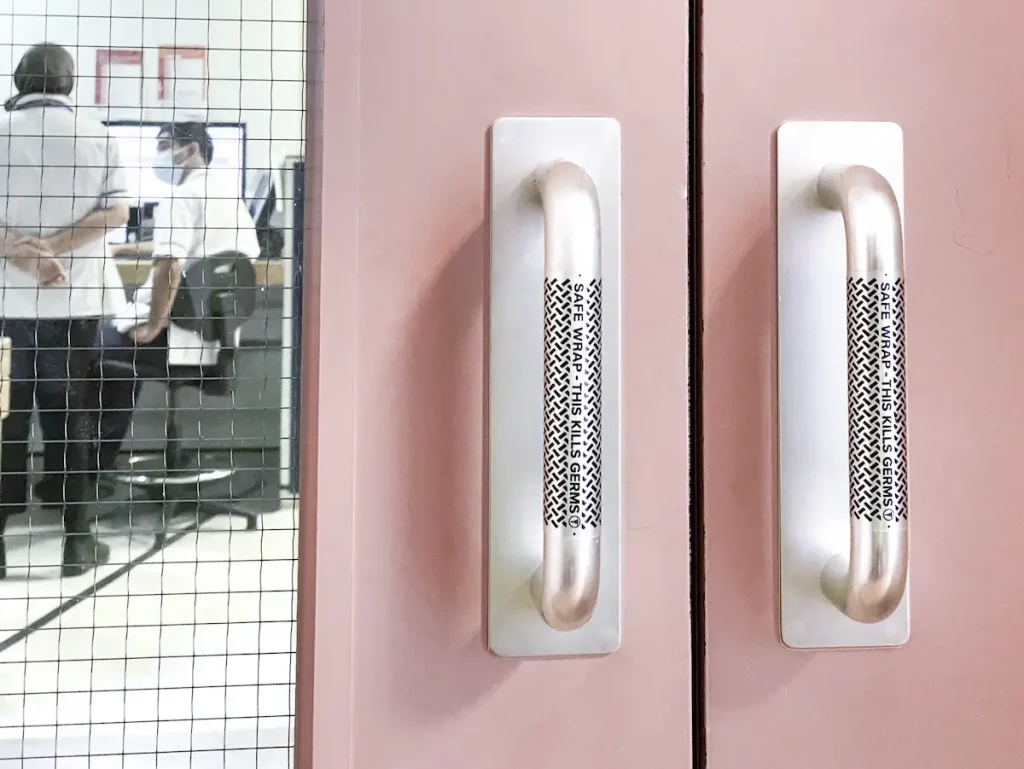
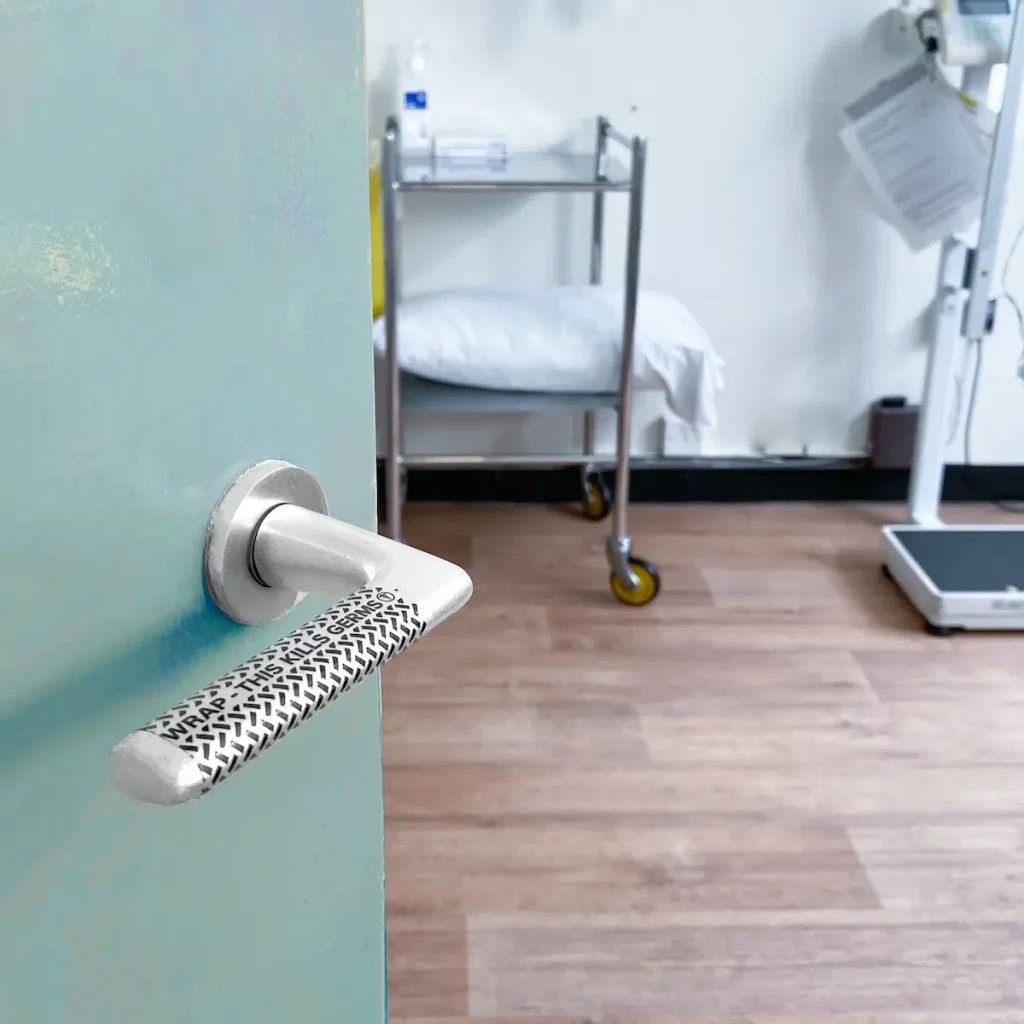
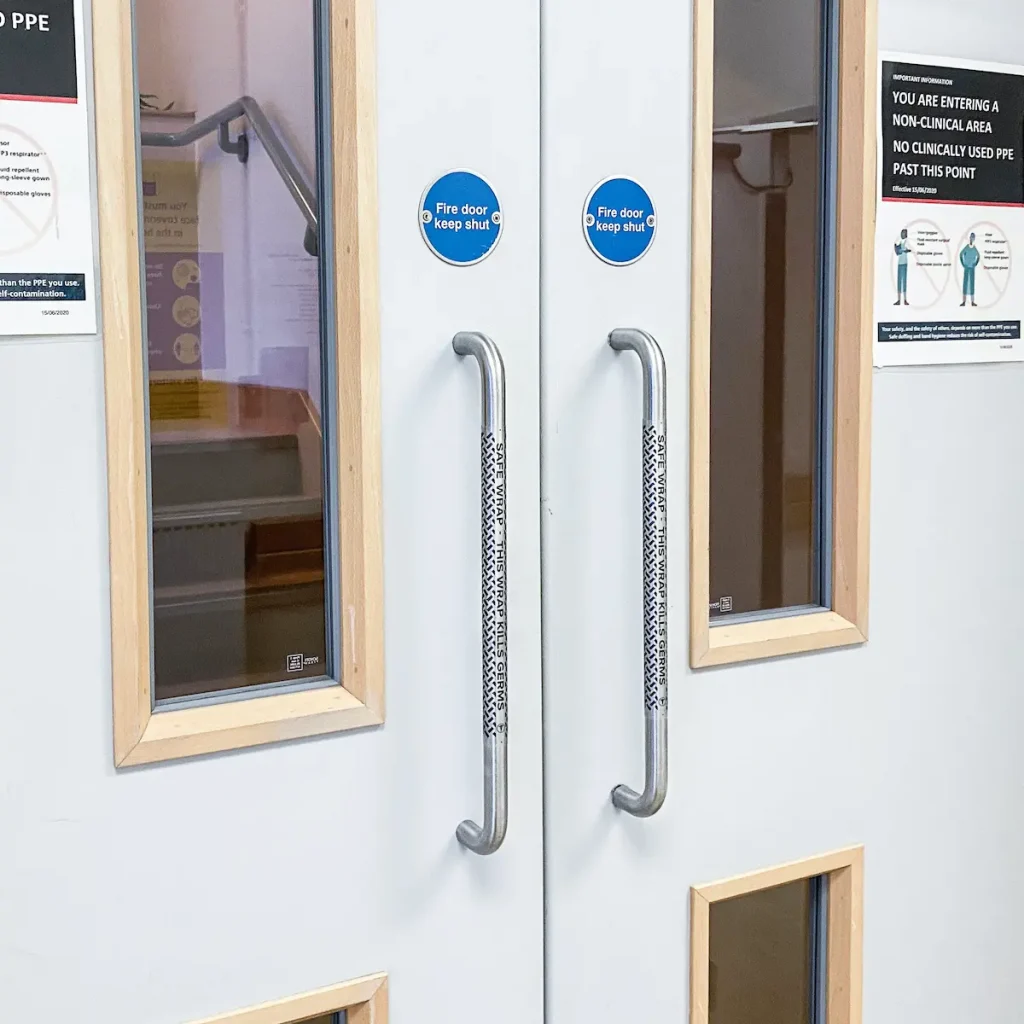
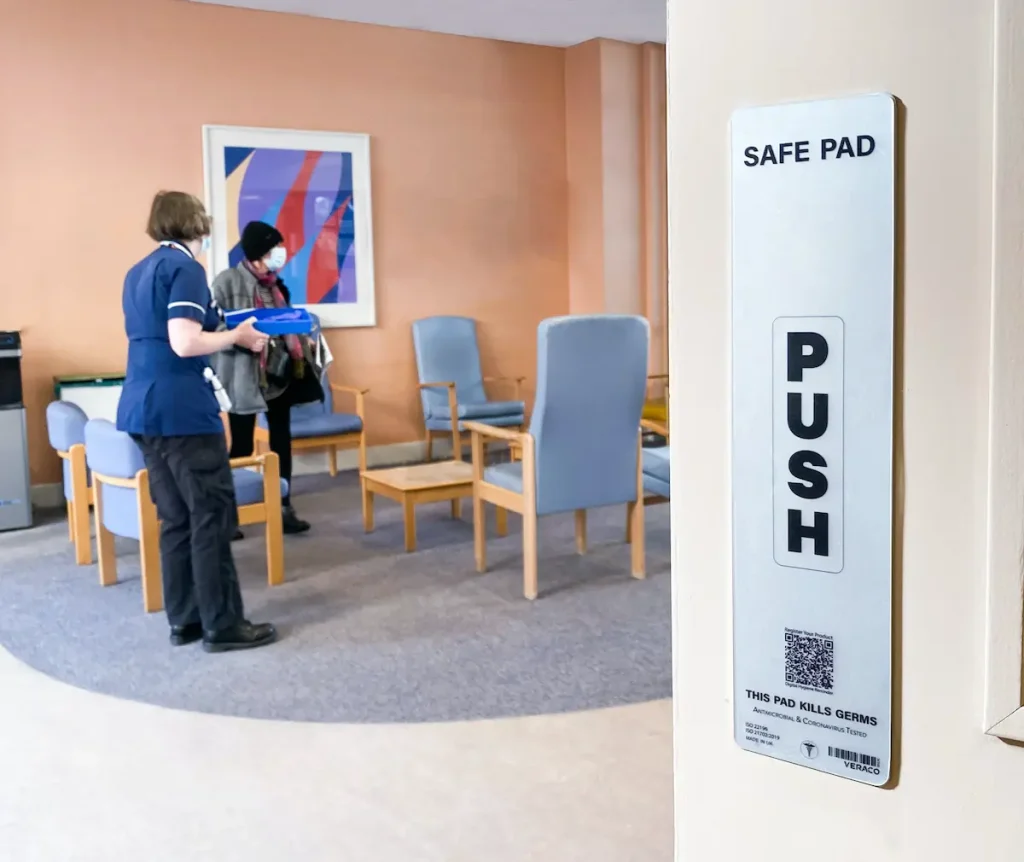
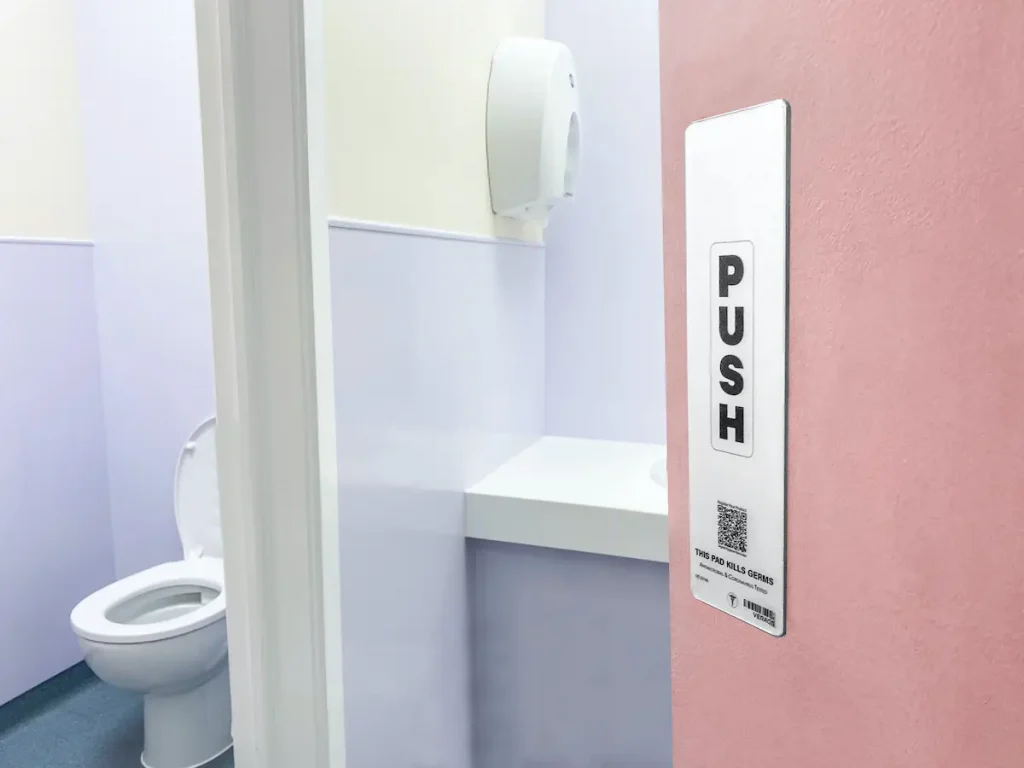
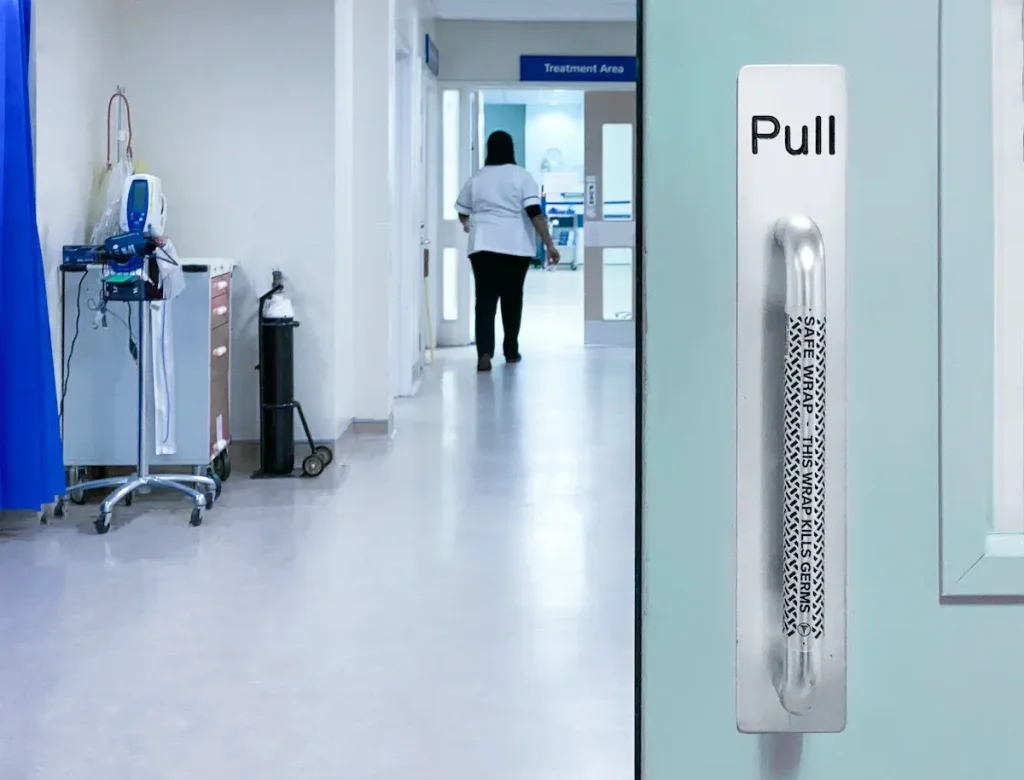
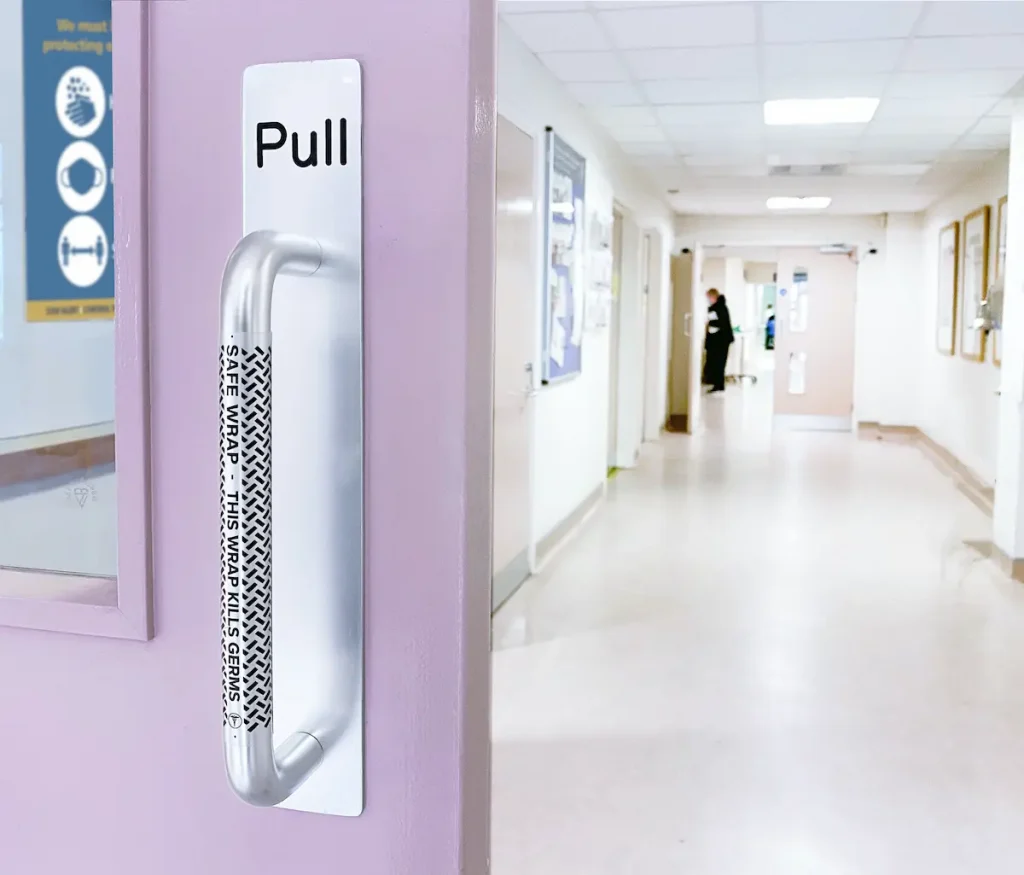
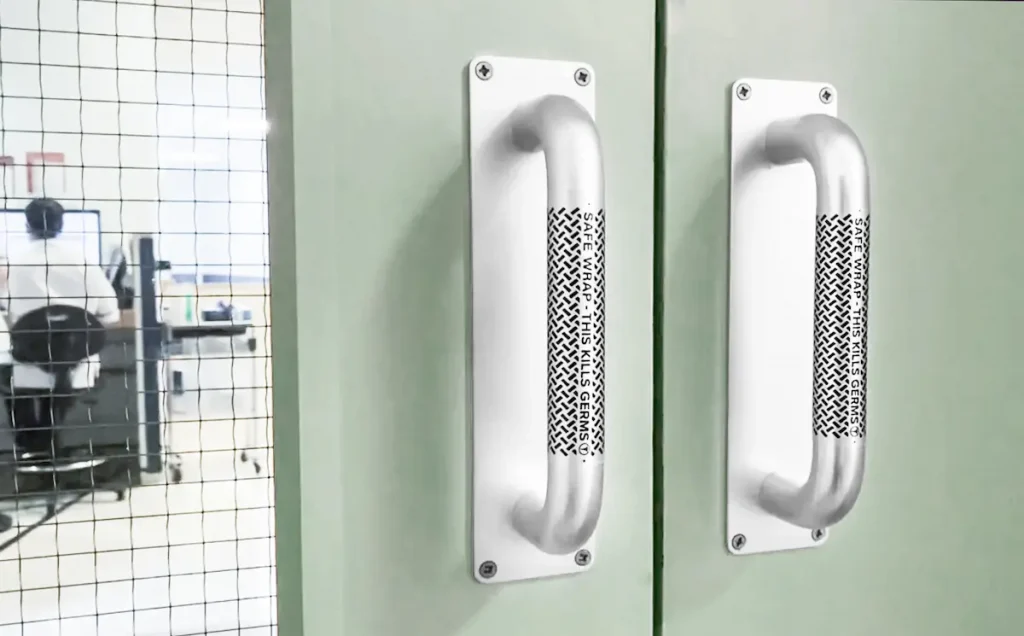
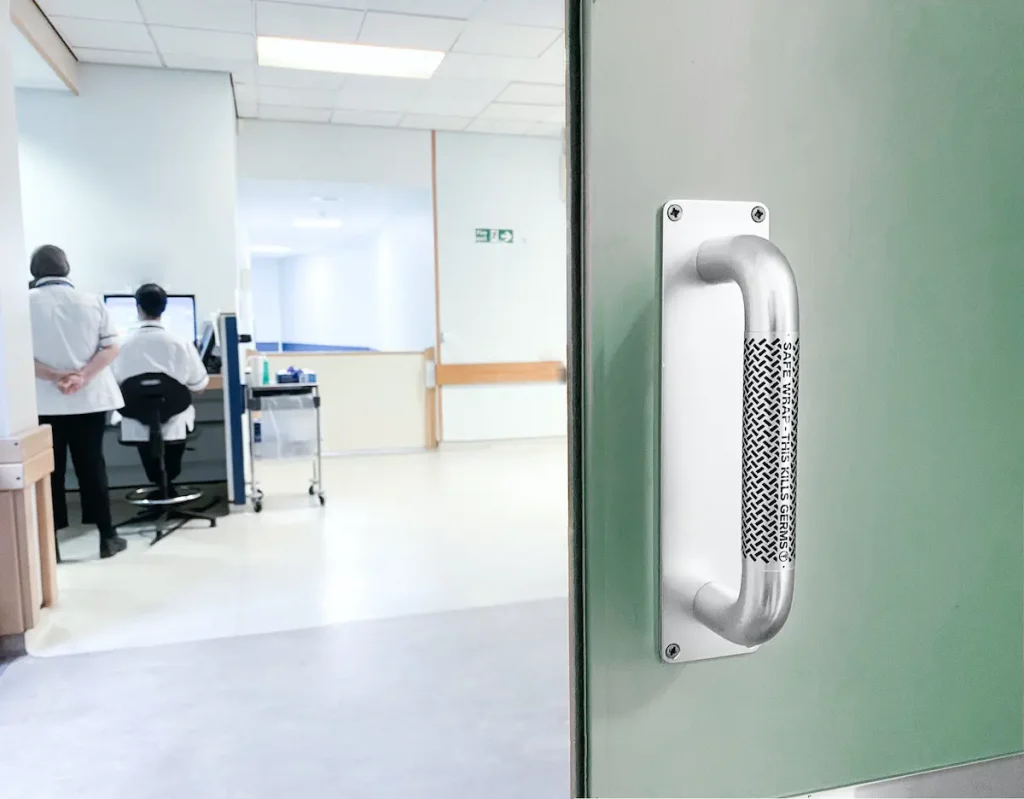
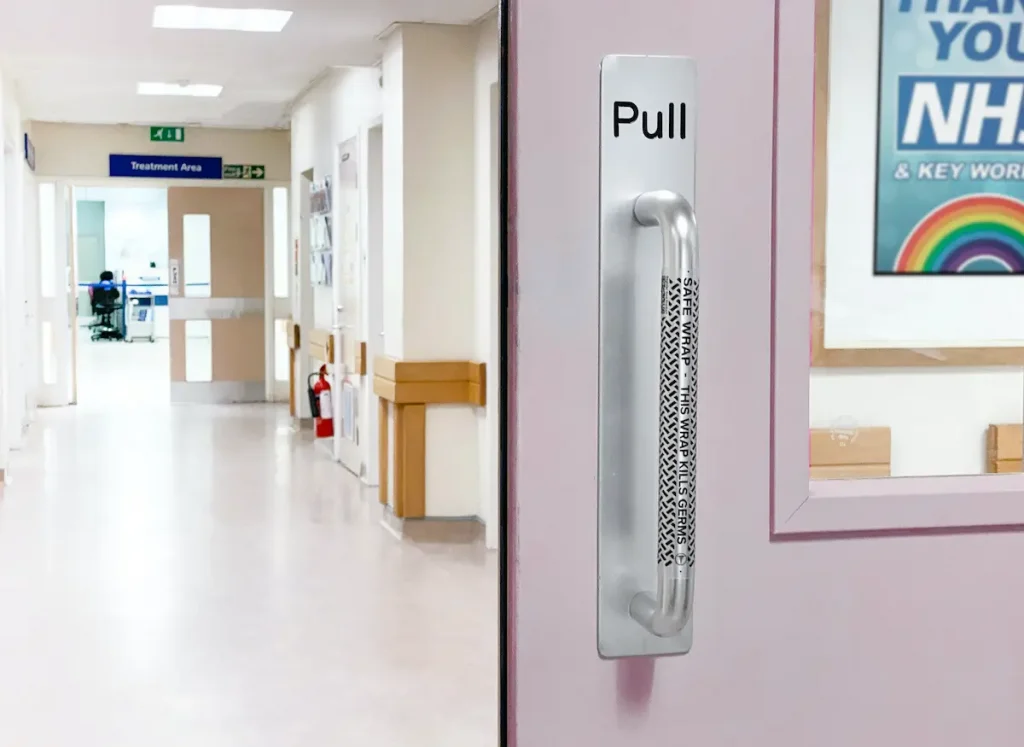
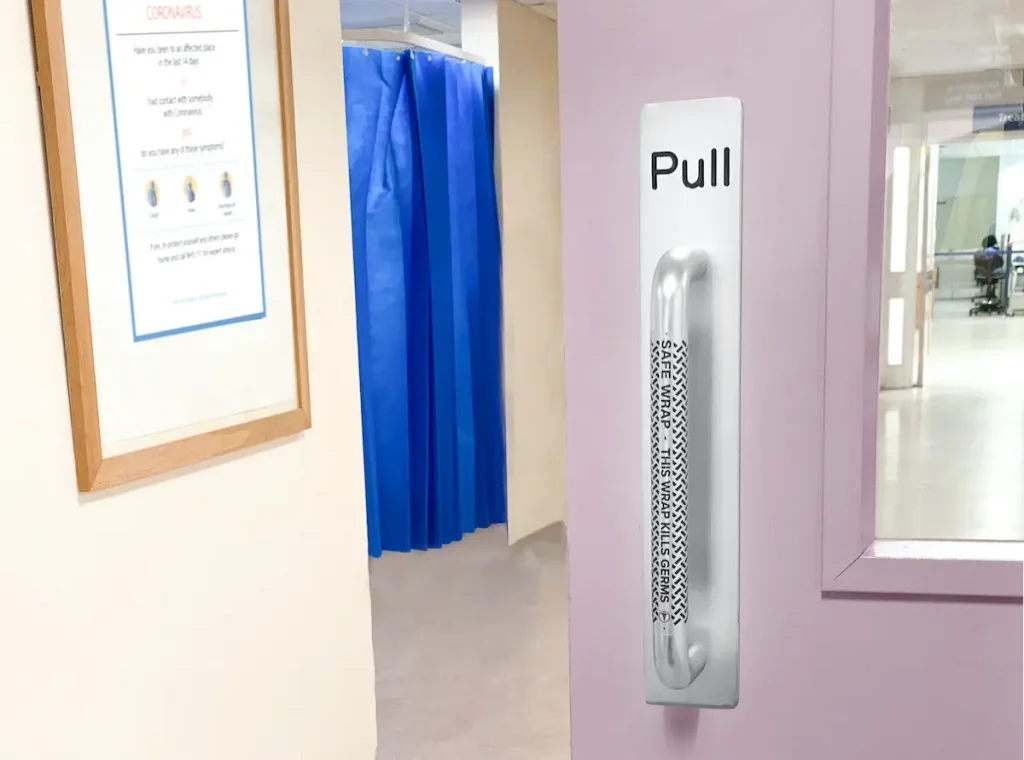
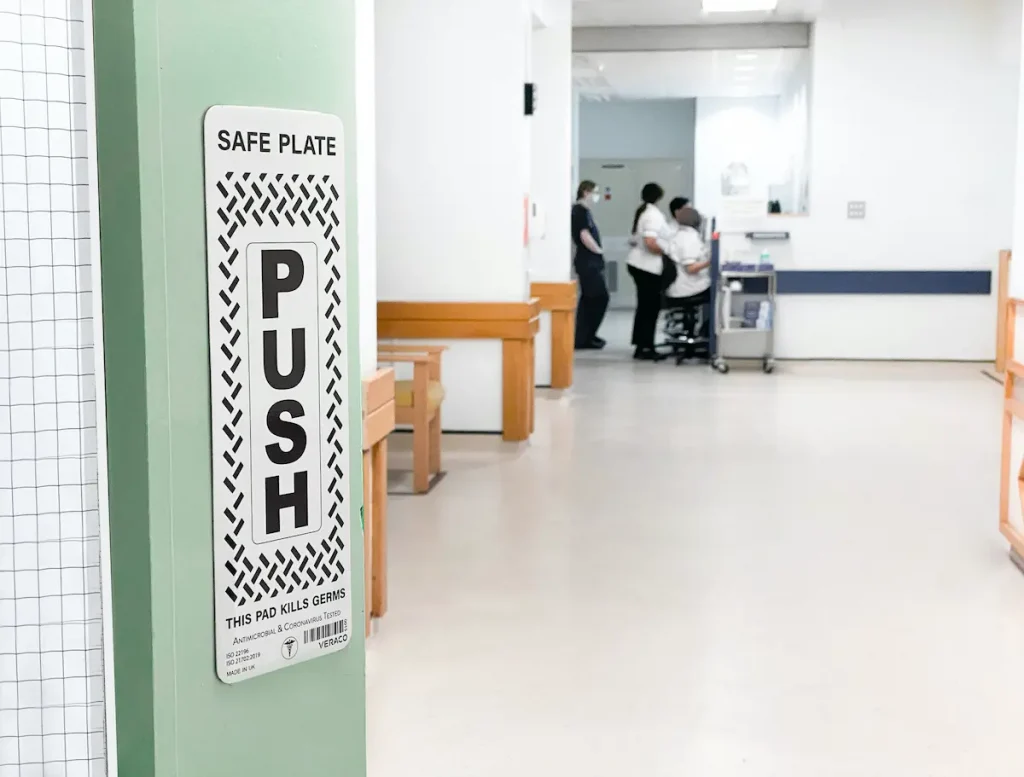
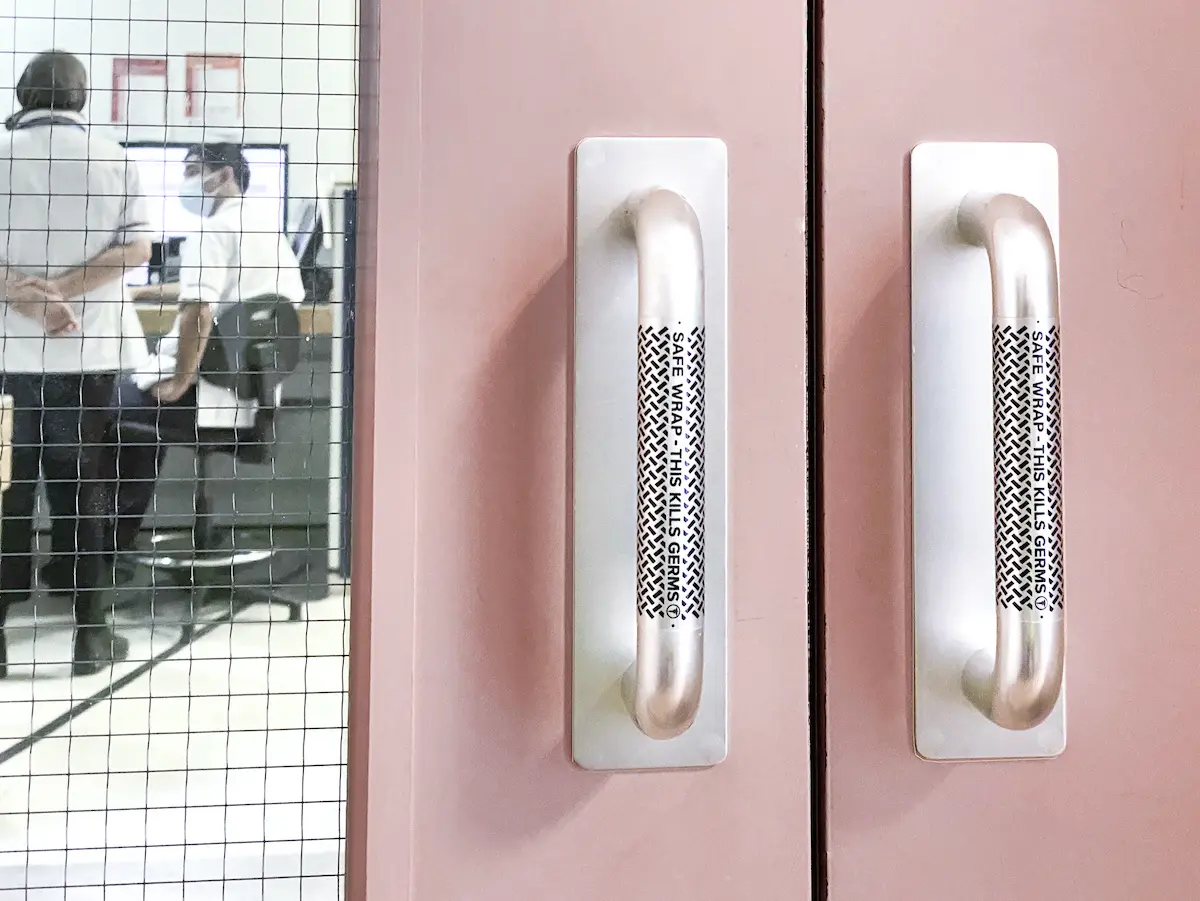
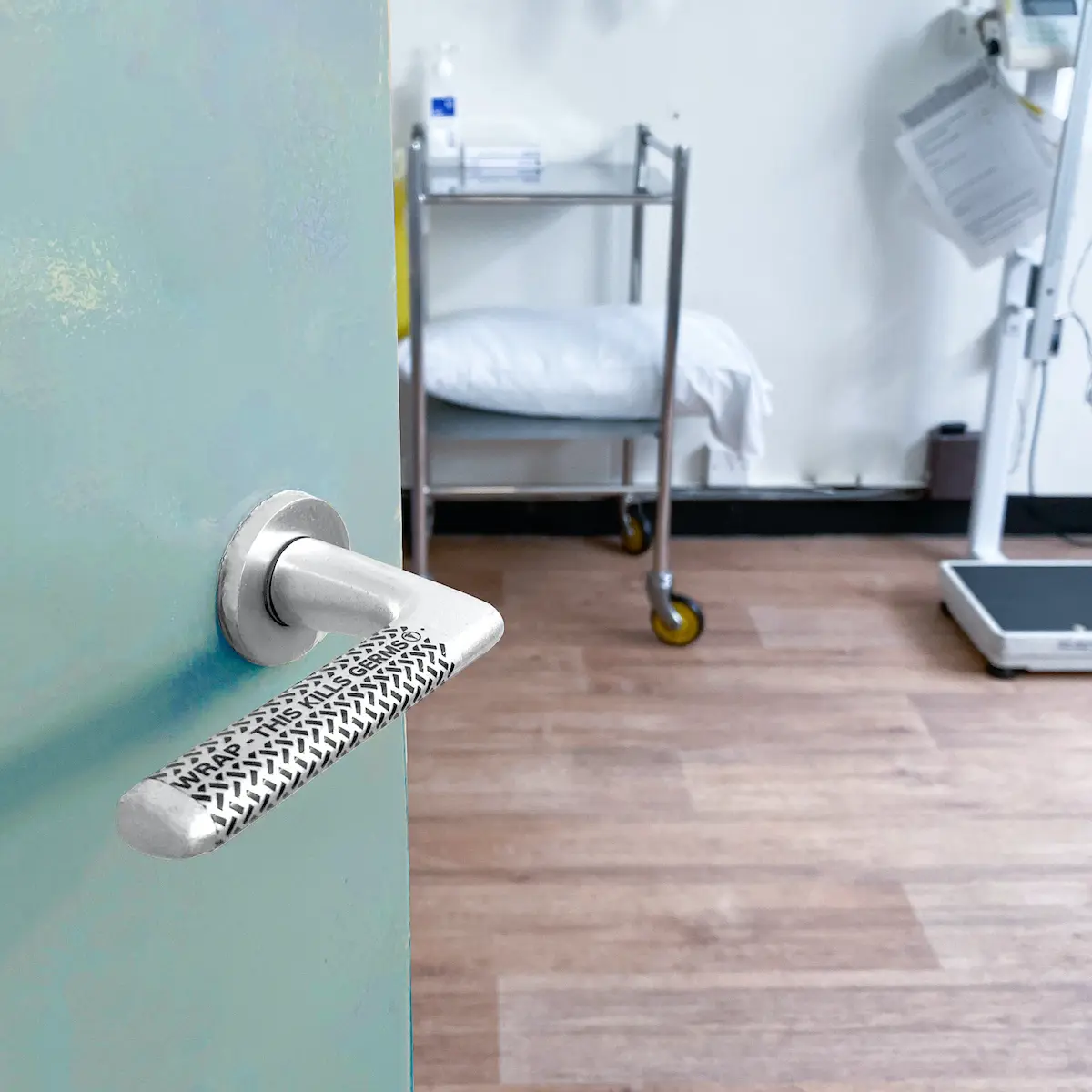
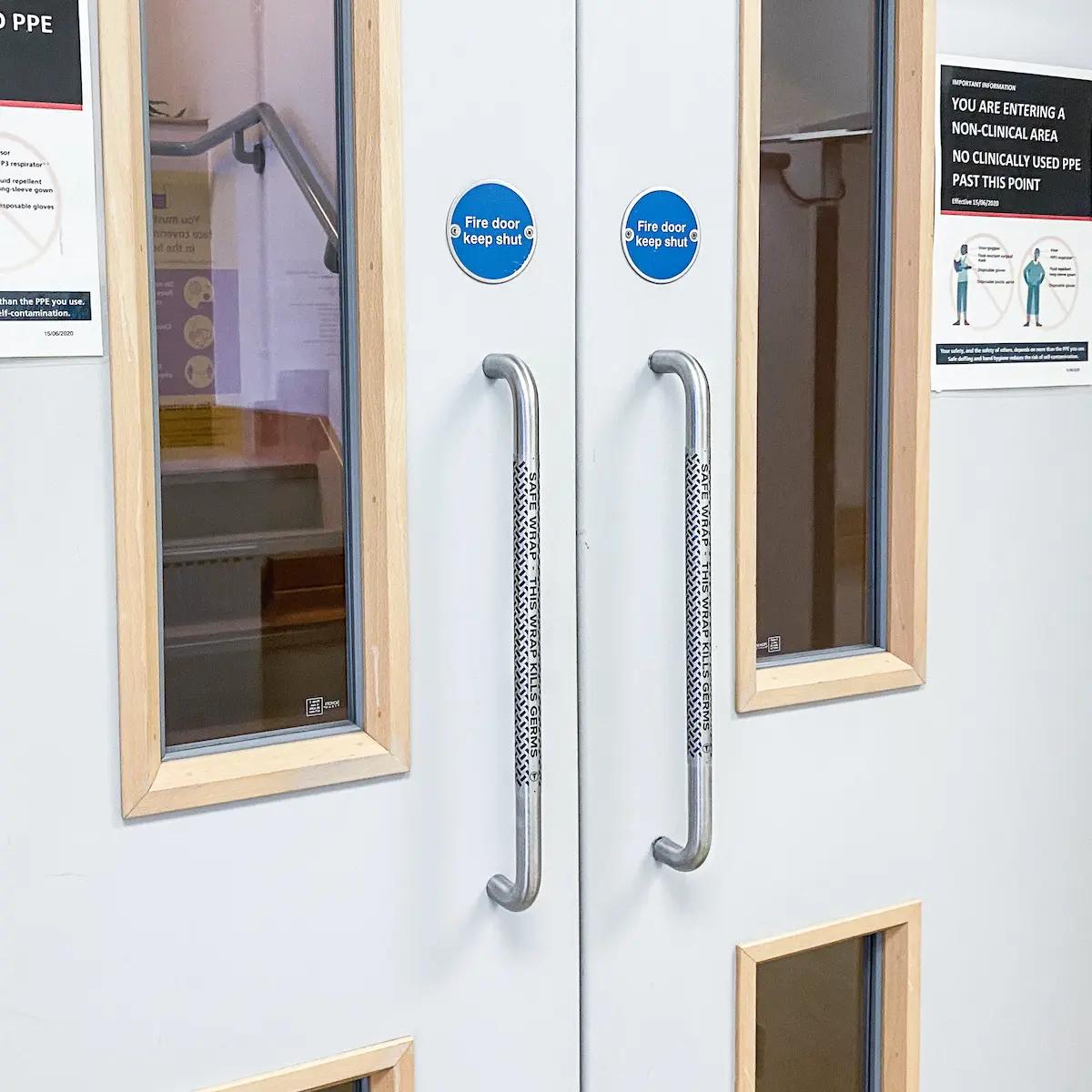
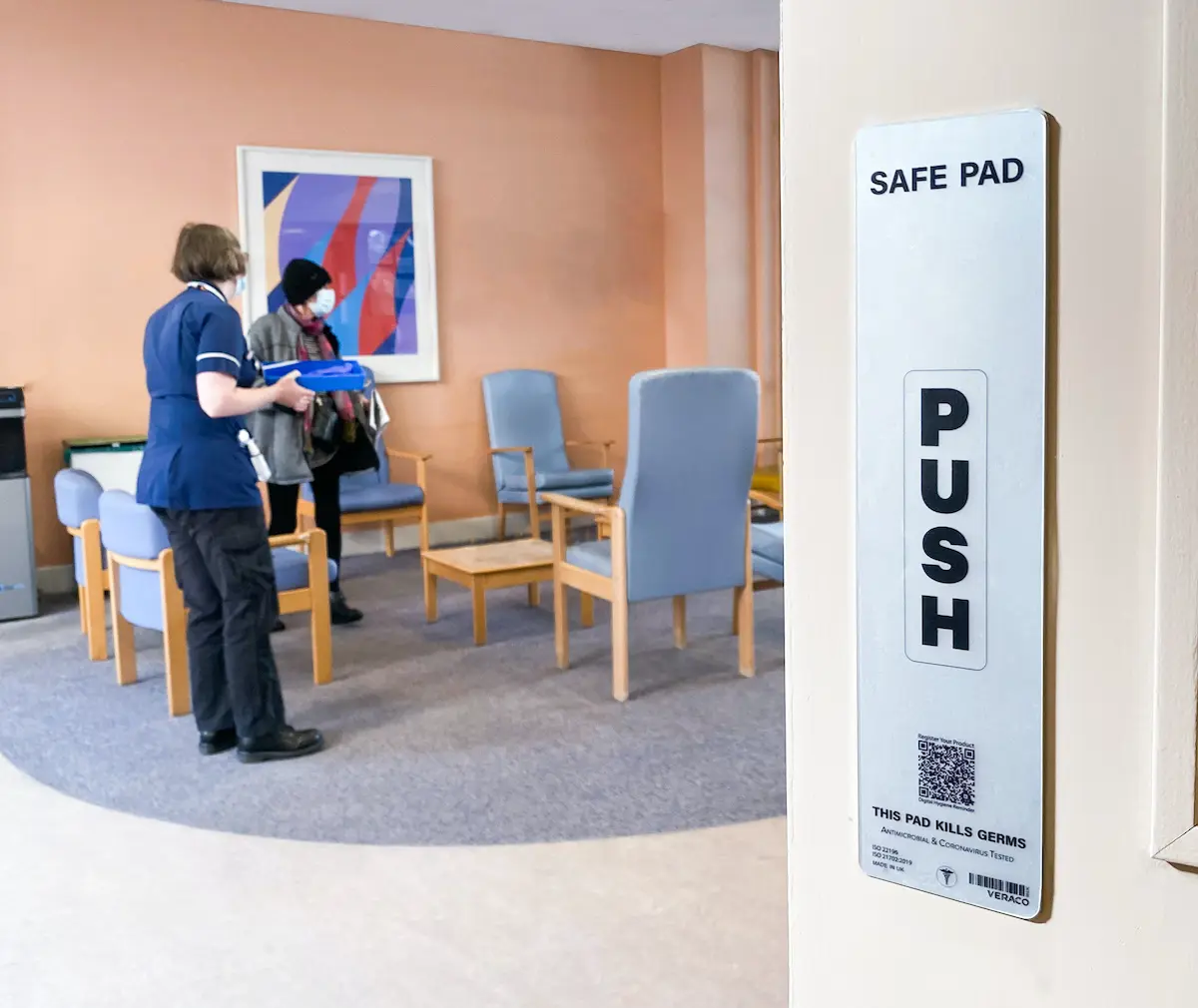
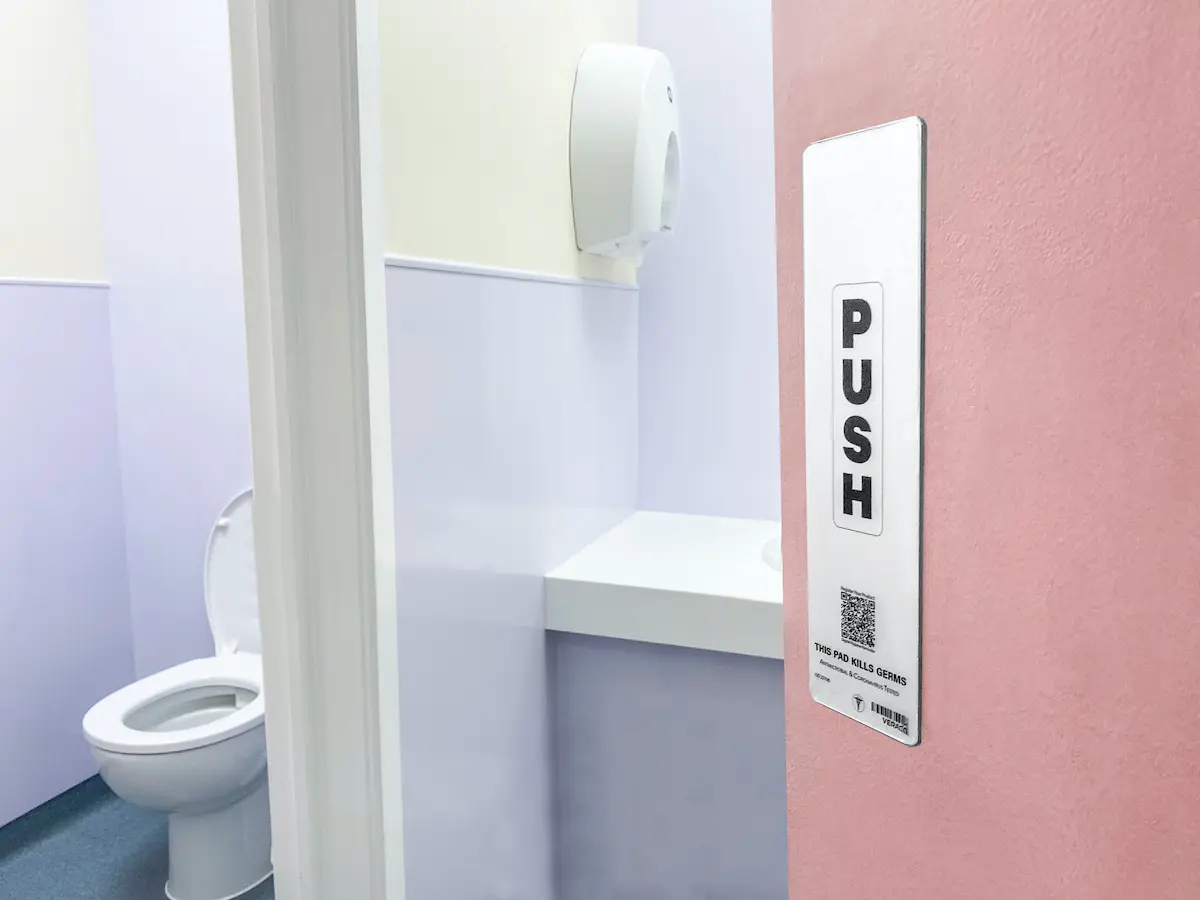
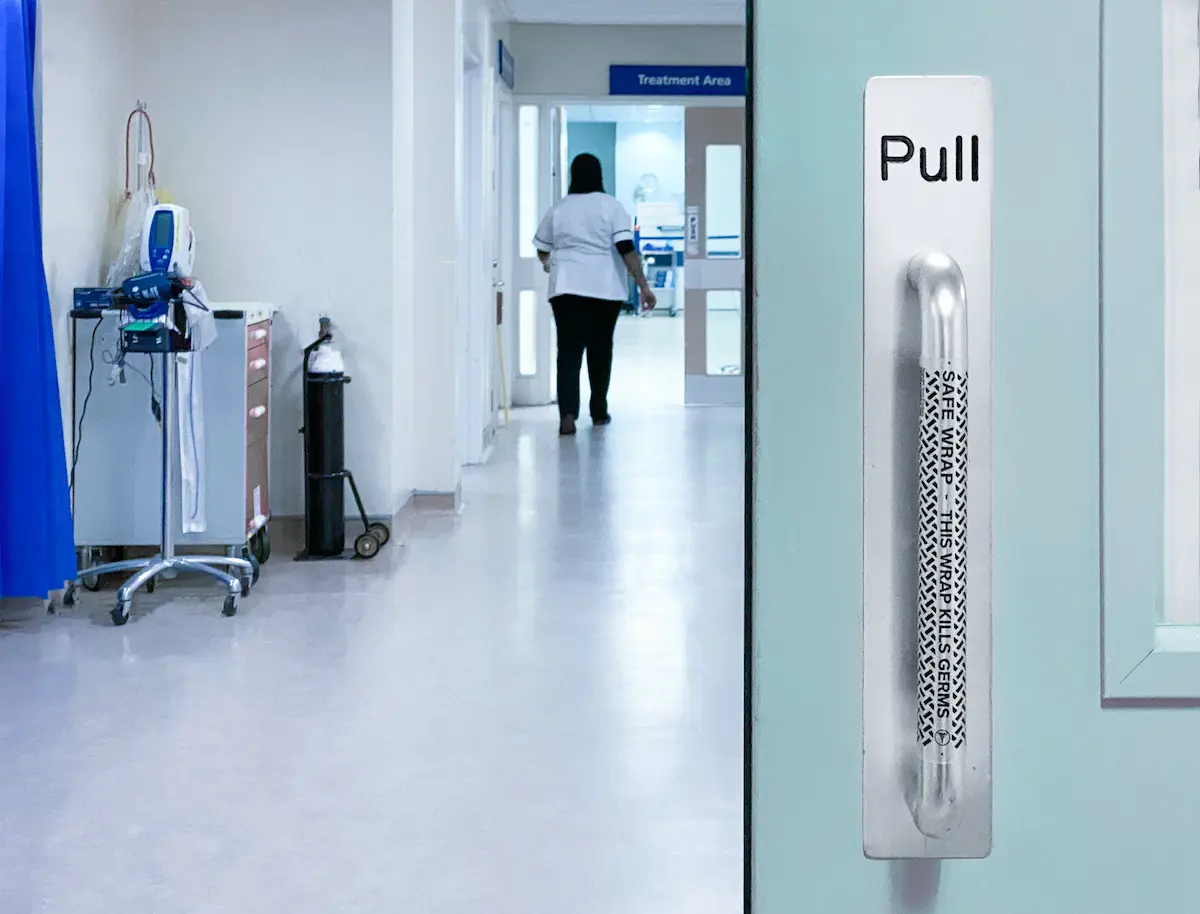
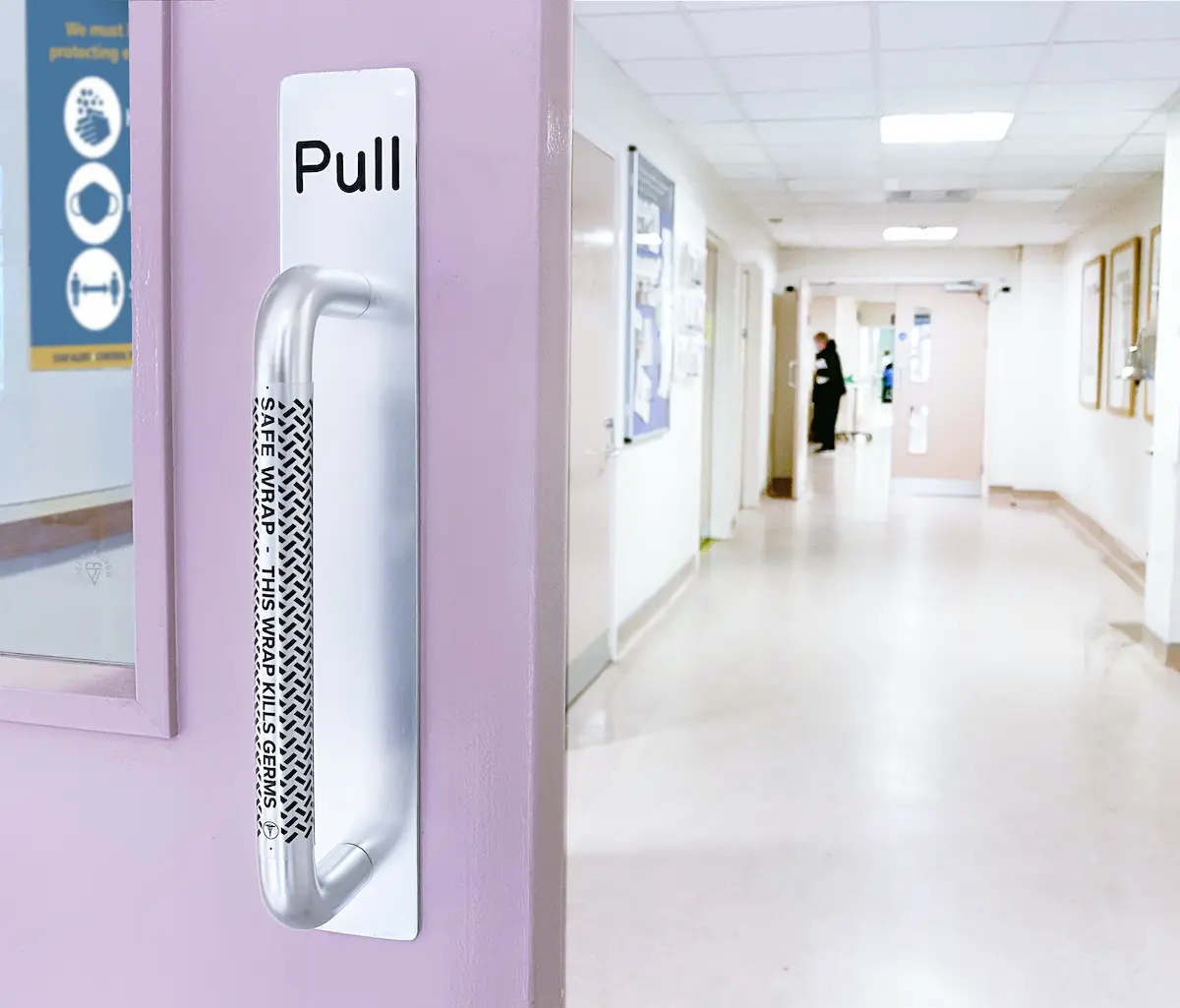
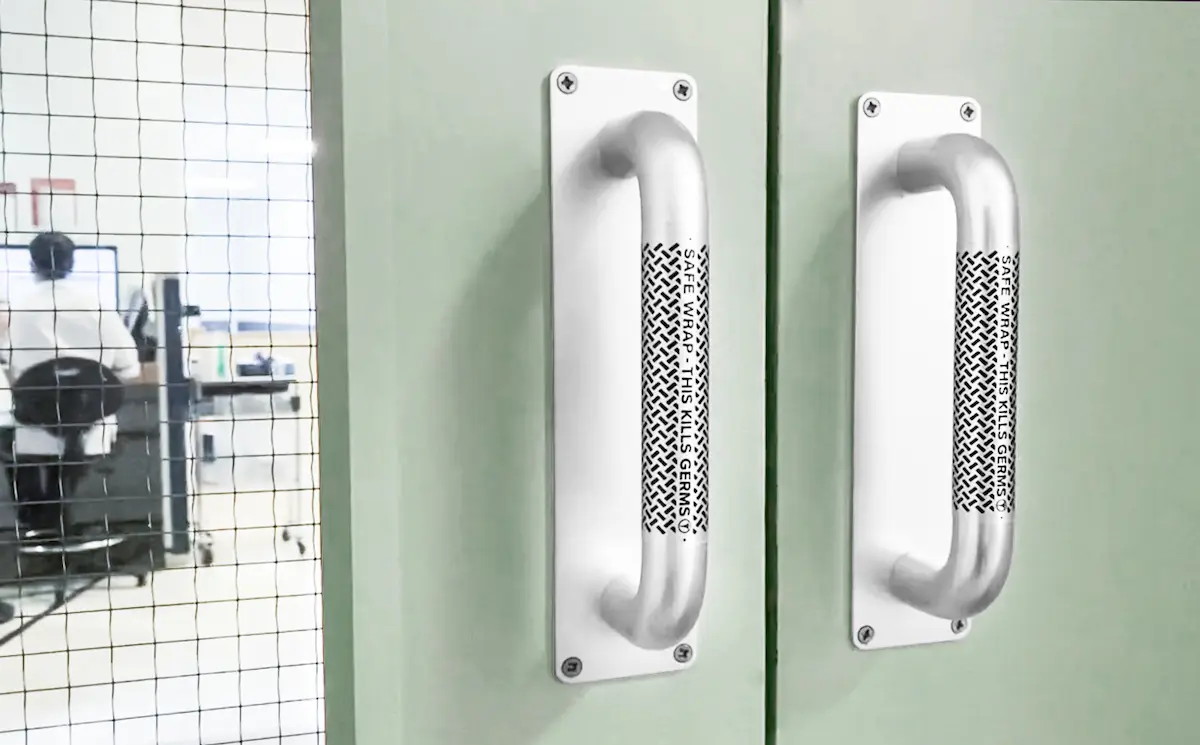
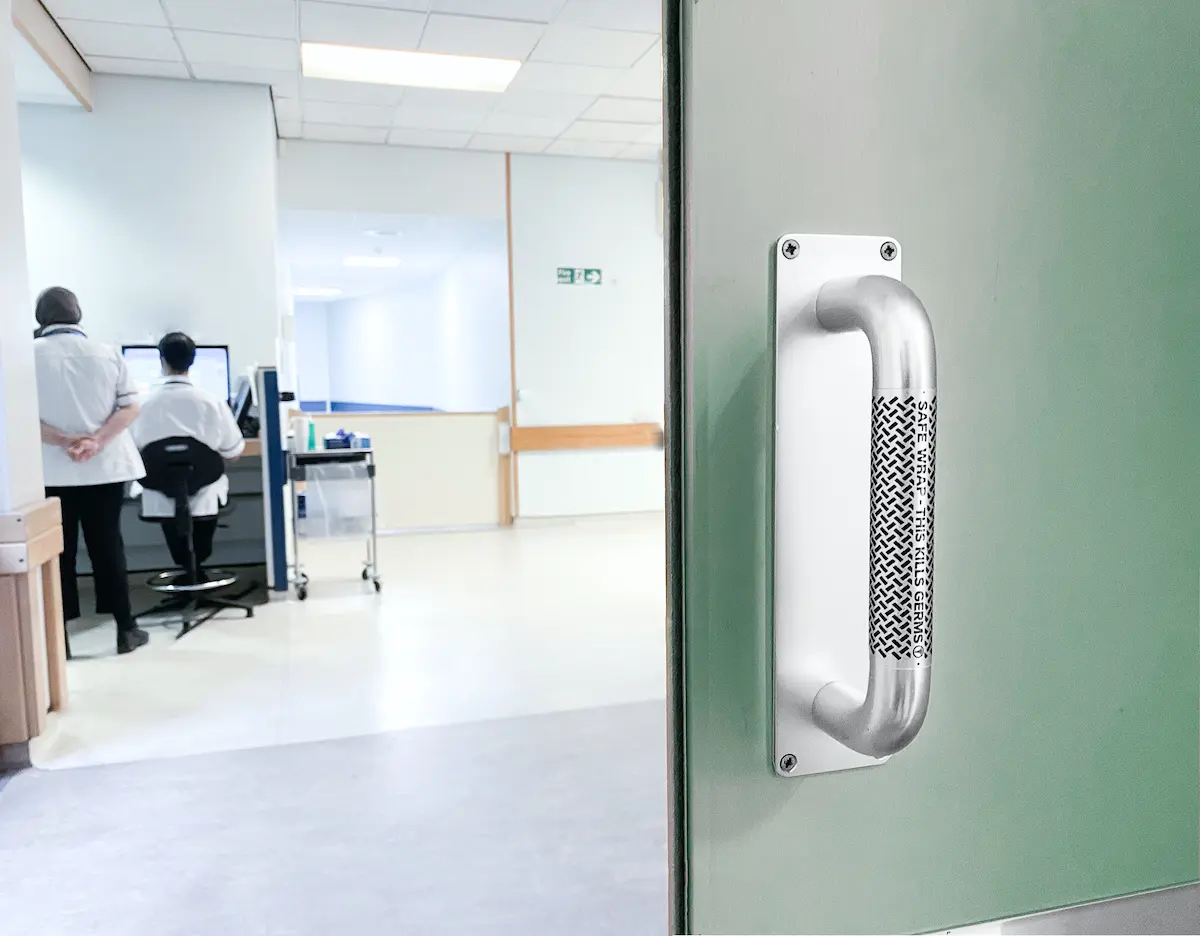
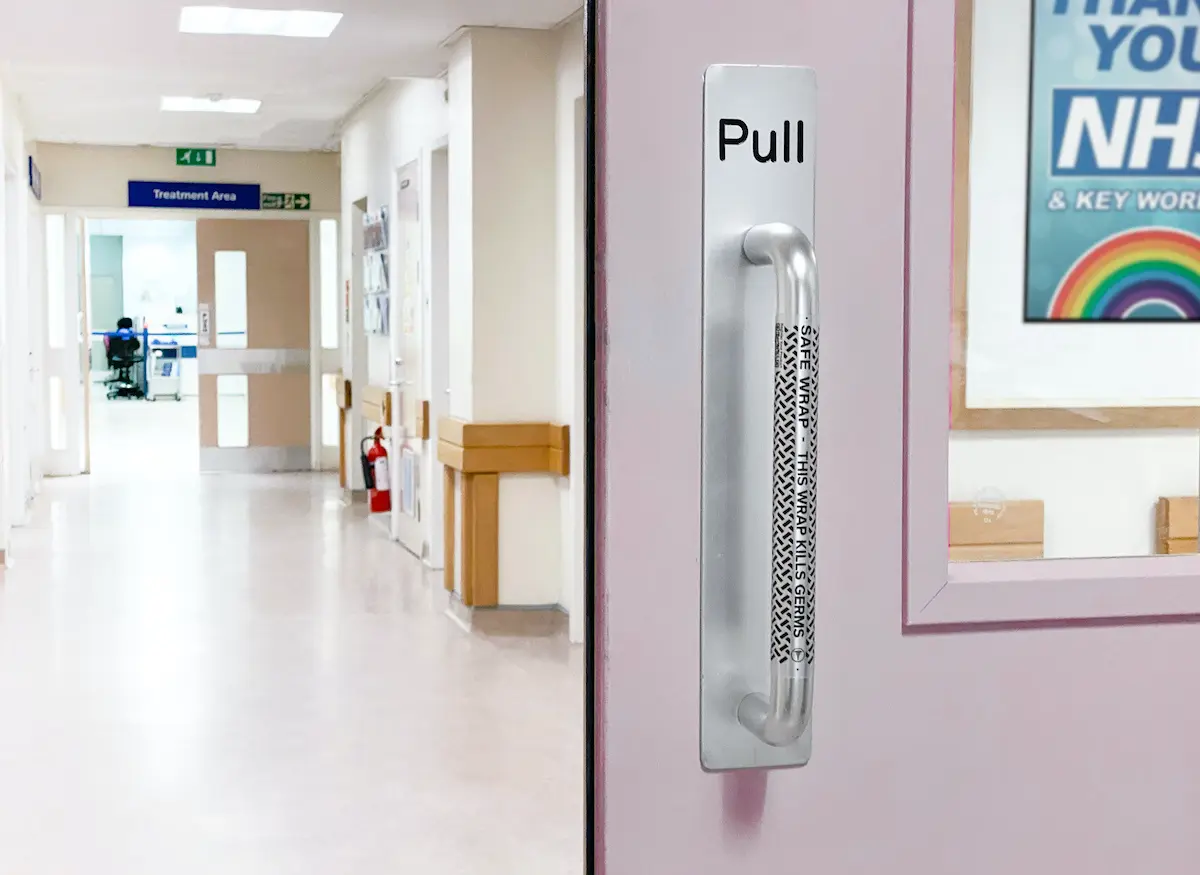
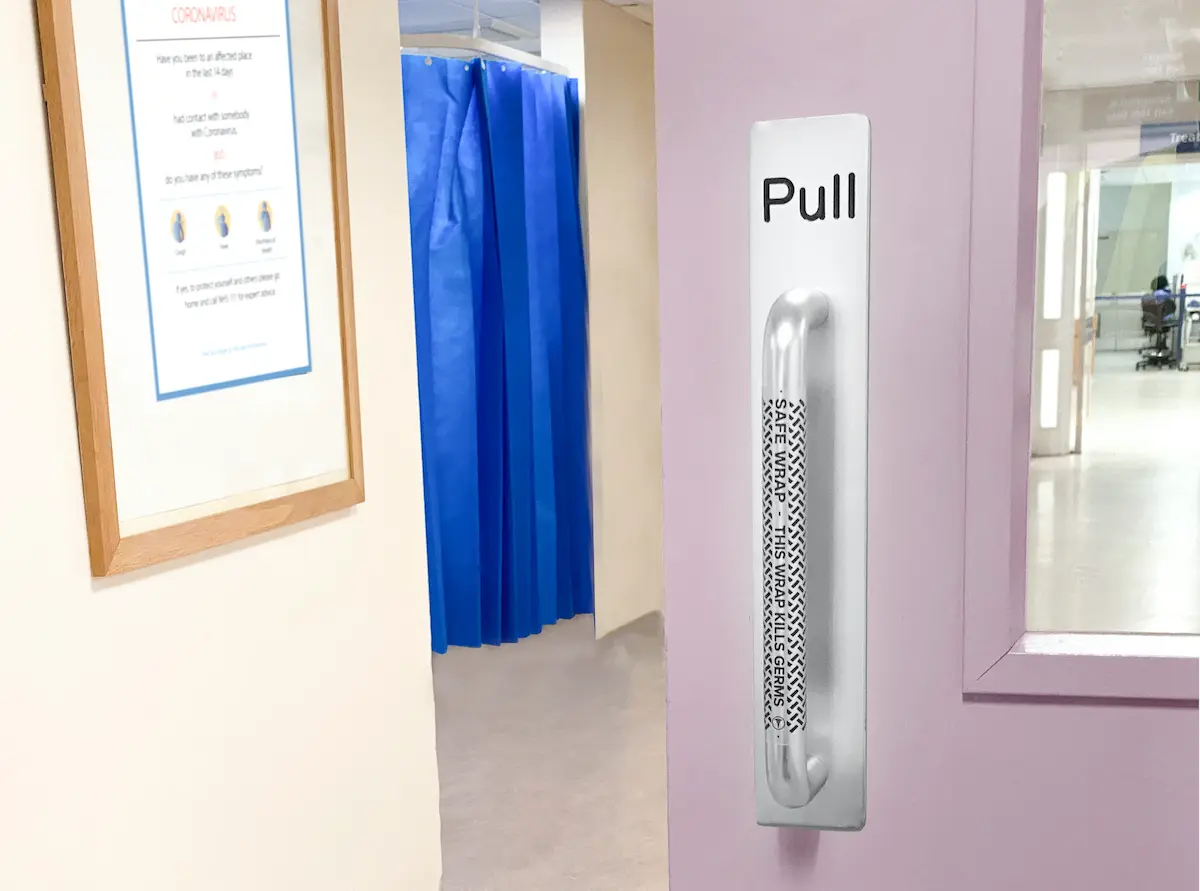
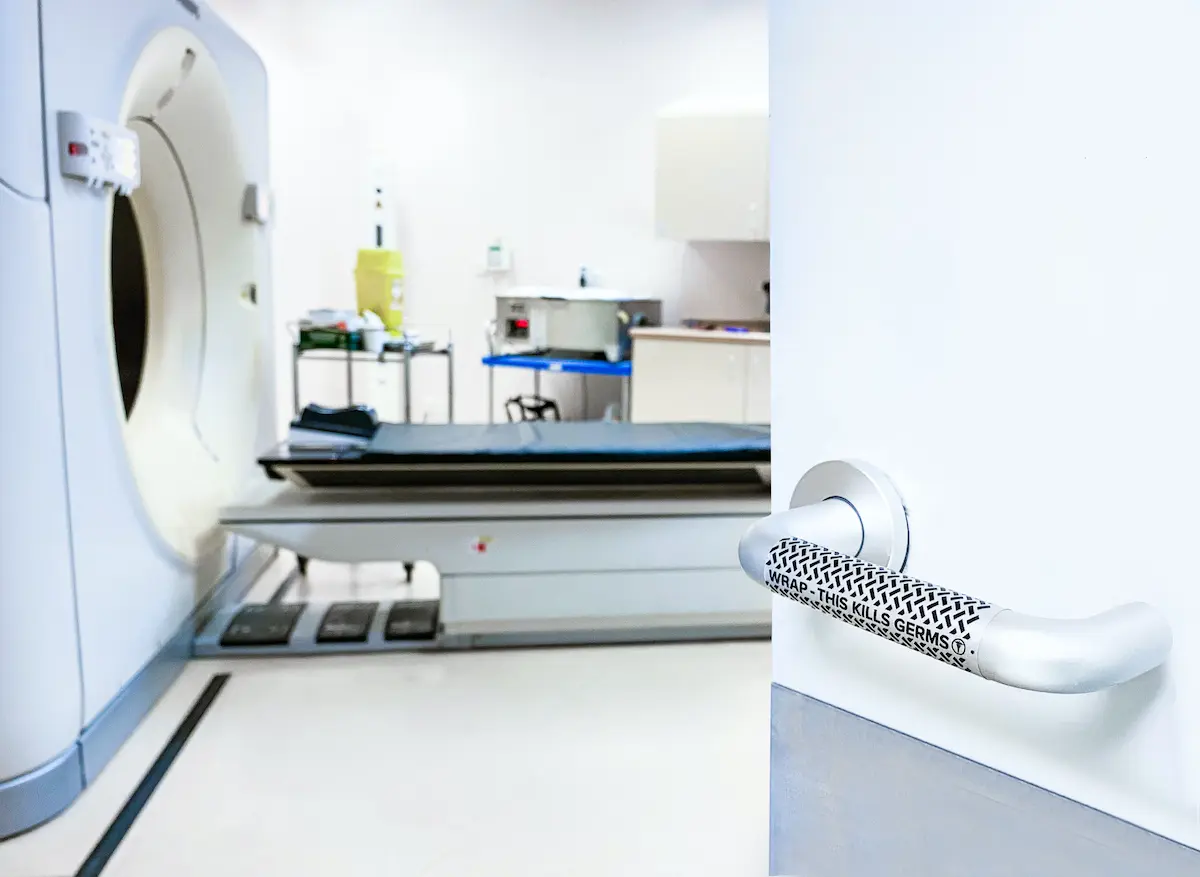
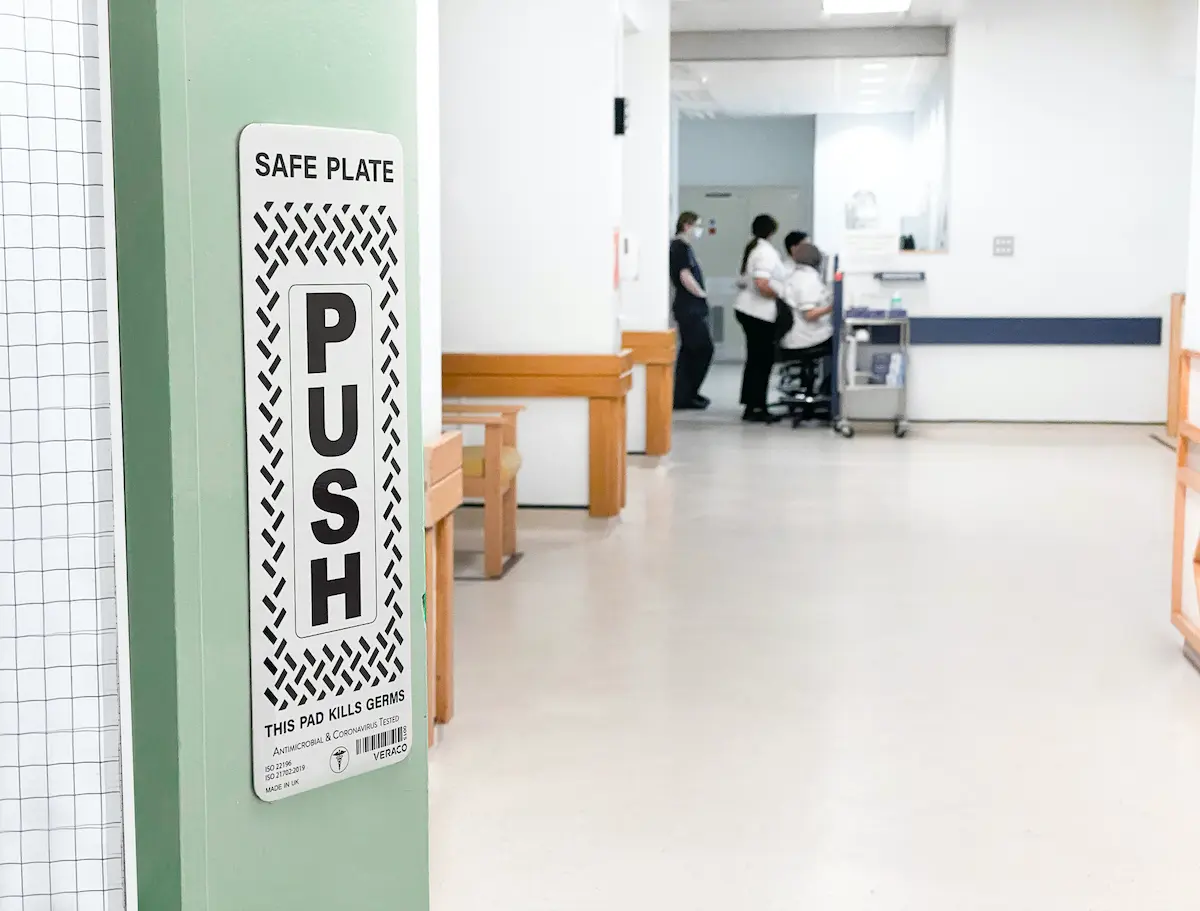
As part of the National Standards of Healthcare Cleanliness 2021 provided by the NHS, infection prevention control is a high priority. Effective environmental decontamination plays a vital role in limiting the transmission of COVID19, as it reduces the presence of the virus and the risk of contact.
Frequently touched surface such as door handles, push doors, light switches, are especially high risk areas for cross contamination. Touchpoints are a breeding ground for superbugs and viruses to spread on touch. Unclean surfaces can lead to deadly diseases and if bacteria is given the chance to grow it mature into potentially deadly biofilms.
Healthcare-Associated Infections (HCAI’s) cost the NHS an estimated £2.7 billion per year. In one case, 39% of patients had contaminated hands within 48 hours after admission to hospital, with at least one pathogenic organism. In a study of intensive care units, only 50% of surfaces were cleaned adequately. Improving the hygiene of surfaces is one of the biggest challenges facing the NHS. A recent study published in the Lancet highlights that Sars Cov2 on surfaces and hands was a major contributor to the spread of the virus.
Touchpoints, such as screens on electronic devices, can accumulate wear and tear over time. This wear can make the cleaning process less efficient, as the surface becomes rougher and more difficult to clean effectively. Additionally, bacteria can find a conducive environment to harbour and grow within the crevices and imperfections caused by wear and tear.
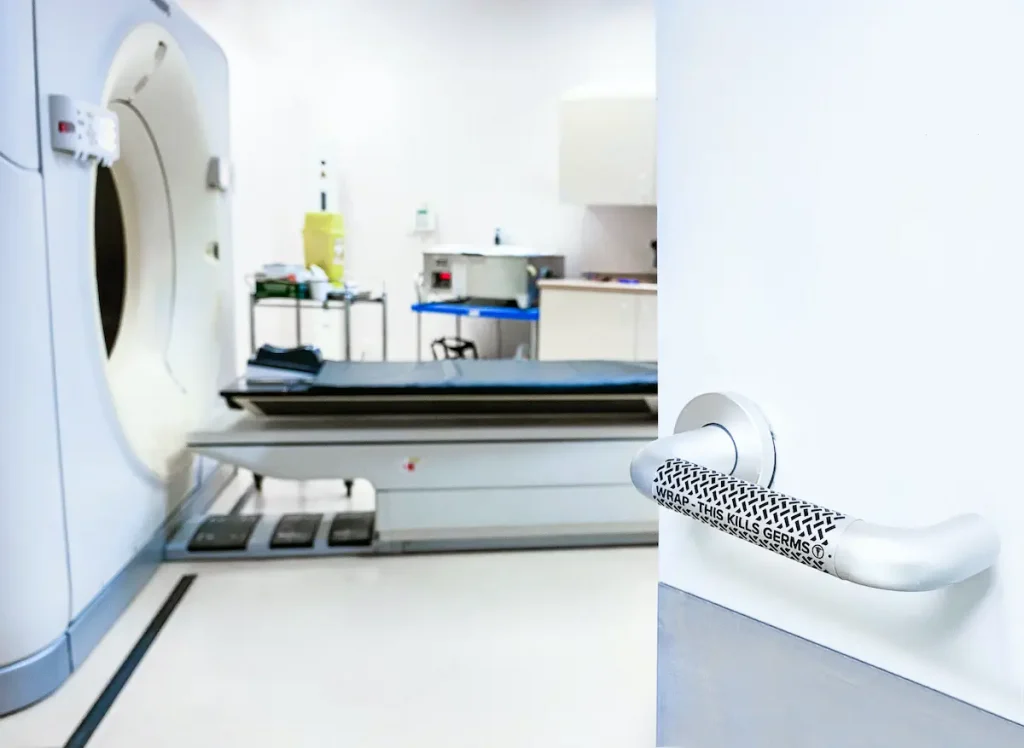
Veraco is a protective cover for common touchpoints, protecting against wear and tear and creating a ‘easy to clean’ surface that makes cleaning more easier and efficient. When touchpoints are difficult to clean, it becomes challenging to maintain a hygienic environment. Bacteria can survive and thrive in these areas, potentially posing health risks to users. Therefore, having an easy-to-clean surface is a much better solution. A cover can help protect the touchpoint from wear and tear, providing a smooth and cleanable surface. By inhibiting microbial growth and reducing the accumulation of dirt and grime, the cover ensures that the touchpoint remains hygienic and easy to maintain over time. This not only improves the user experience but also extends the lifespan of the touchpoint.
In collaboration with leading NHS trusts, Veraco has been clinically proven to aid cleaning and prevent the growth of microorganisms. The products had 98% less organisms on their surfaces 14 weeks after installation at Bradford Teaching Hospital, compared to the same surfaces before installation. At Imperial College Healthcare NHS Trust Radiotherapy Department, 12 months after installation, Veraco had 93% or 14 times fewer microorganisms than untreated surfaces. Furthermore, they provide a 99.99% reduction in MRSA, E.coli, Salmonella, Listeria, Golden staph, Staphylococcus aureus, Pseudomonas aeruginosa and 99.96% against C.Diff, when tested in an independent accredited UK lab.
‘Smart surfaces’, like Veraco are considered to be the future for infection prevention. A team of researchers from Imperial College London released a briefing paper stating ‘Molecular science and engineering approaches can be employed to develop “smart” surfaces that could reduce microbial attachment, actively destroy microbes, and disrupt the microbial habitat. Such antimicrobial surfaces have the potential to provide effective, low-cost solutions to combat microbial contamination, transmission and antimicrobial resistance.
Charles Churchman, Head of Innovation said, “We’re thrilled to launch Veraco, our latest innovation in antimicrobial surface covers. Collaborating with leading NHS trusts over a 12 month period is a vital and ground-breaking step to demonstrate the positive impact of Veraco across both workplace and healthcare.”
Joe Maslen, Radiotherapy Department at Imperial College NHS Healthcare Trust said, “The Veraco products have been a great addition to our Radiotherapy department, offering both staff and patients reassurance that infection control is being taken seriously. I’ve found an increased confidence and peace of mind using surface touchpoints, knowing microbial levels are being passively reduced.”