
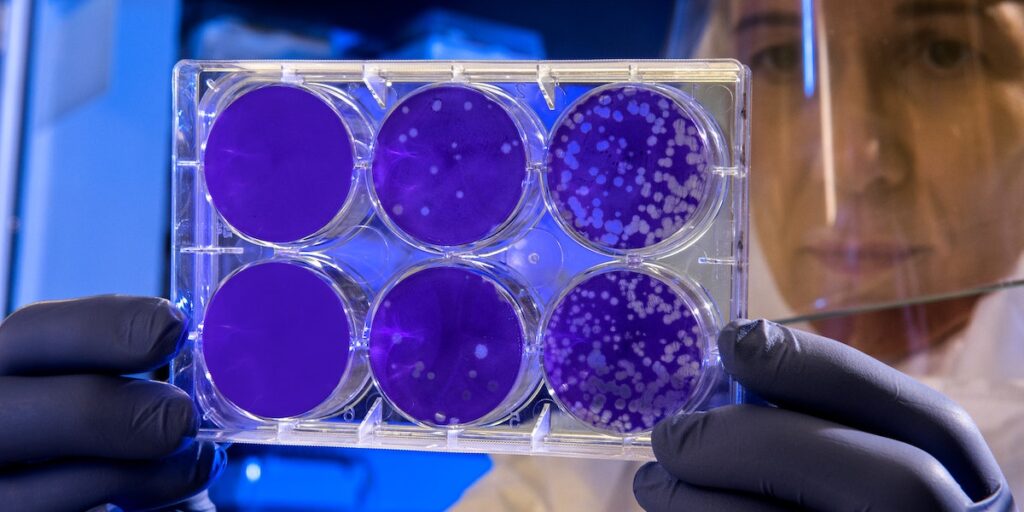
 Antibiotic resistance, often shortened to AMR, is where people become immune to the effects of antibiotics.
–
Antimicrobial Resistance: A Cause for Concern?
It may not come as a surprise, but the COVID-19 pandemic has seen a rise in the growth of antimicrobial resistance across the country as more and more people hospitalised with the virus have been given antibacterials and more to ease their illness.
This rise in antimicrobial resistance (AMR) could be seen as a cause for concern by some, but there are solutions to tackle the growth in AMR that can be taken.
–
What are antimicrobials?
Antimicrobials are one of the most common ways of preventing the spread of bacteria, viruses and fungi. In their natural forms, antimicrobials have been around for decades with many natural antimicrobials still in popular use today.
Natural antimicrobials, including tea leaves and rosemary oil, are a great way to prevent minor infections in and around the home. However, more commonly metal ions have been used to help prevent the growth of infection. These include silver ions and copper ions.
At Veraco, we have have perfected the use of these technologies to create range of antimicrobial products for use in the workplace and on touchpoint with door handles and push pads being just some of the key areas being protected.
–
What is antibiotic resistance?
Antibiotic resistance, often shortened to AMR, is where as the name suggests people become immune to the effects of antibiotics. The more that we use antibiotics, the higher the chance of becoming resistant to them.
If you become resistant to antibiotics, then the effect they have on pathogens disappears and the infection can grow without effort as your the bacteria or virus become immune to the treatment.
The rapid growth rate of SARS-CoV-2, the pathogen known for causing the COVID-19 pandemic, has demonstrated clearly how quickly an infection can grow and spread between people and around the globe. It’s growth like this that has caused concern for a potential superbug spread – an infection that is resistance to almost all known antimicrobials that can spread with no known treatment, and raised questions on how well we would be able to deal with such situation should another pandemic arise from an antimicrobial resistant infection.
There is genuine concern from many experts on whether all current antimicrobials would be sufficient to fight off any potential future infections and whether we should be accelerating the development of new antimicrobials.
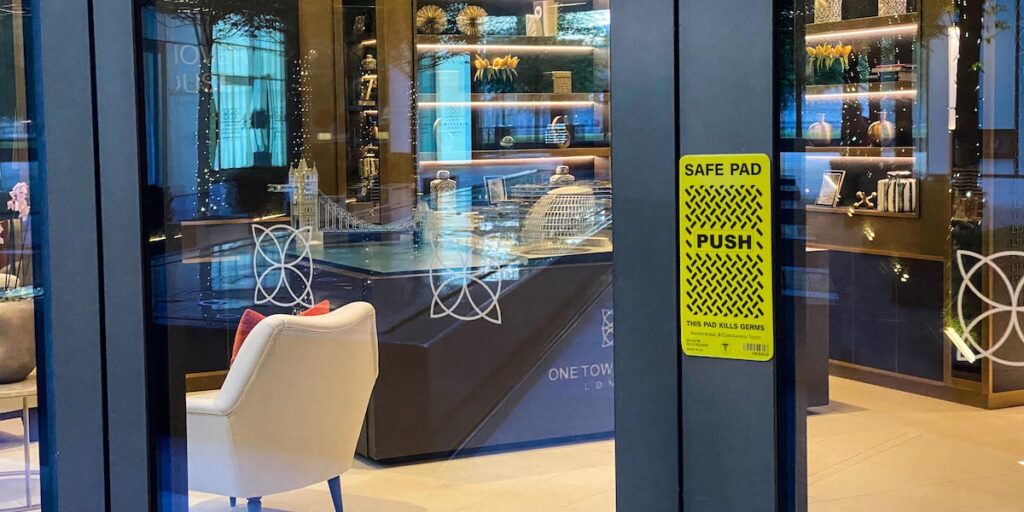 SAFE PAD™ Antibacterial Door Push Pad
–
How can we prevent antimicrobial resistance?
The obvious answer to preventing antimicrobial resistance is to simply stop the spread of infections all together. Whilst we have been living in a health-conscious society for years, the recent pandemic has seen a noticeable increase in everybody’s wariness over hygiene.
Hand sanitisers are the new addition to everyone’s car or handbag, and face masks will continue to show up in back pockets for months to come. But as you head into the office or walk around town, you may notice new ways of keeping clean are appearing in places you may not have seen before.
Antimicrobial products using silver ion technology, like those offered by us at Veraco, are helping reduce surface transmission in a range of industries. High-traffic touch points are a breeding ground for viruses, bacteria and fungi and are one of the most common places for people to pick up an infection.
Using modern antimicrobial technologies allows a cleaner work and social environment for everybody and greatly reduces the number of people getting infected from said touch points. Our products can reduce transmission rates by up to 99.99%.
Additionally, greater stewardship of antimicrobial dispensing is required so the products aren’t distributed unnecessarily. Almost half of antimicrobial prescriptions aren’t fully required meaning more and more people are taking them when not fundamental to their recovery.
Reducing the number of times people are given antibacterials and antivirals will greatly slow the spread of antimicrobial resistant pathogens.
Antimicrobial resistance is a natural part of evolution and the process will always be ongoing regardless of what we as a society do. We can’t fully stop the process, but we can slow it. Therefore the continuation of new antimicrobial development will help to reduce transmission of future variations of disease and infection.
–
Why use antimicrobial products?
It would be fair to ask why antimicrobial products are used so heavily if resistance is on the rise in recent times. Whilst resistance is caused by high use of antimicrobial products, use in regular quantities is still recommended by experts.
Antibacterials and antivirals defend against bacteria and viruses respectively whereas antimicrobials are an umbrella defence that combat the spread of both. Everyday use of this products will not result in antimicrobial resistance and people are urged to continue using both natural and modern antimicrobials where possible to maintain a regular healthy lifestyle.
