

There are thousands of naturally-occurring antimicrobials, particularly in essential oils and plant extracts.
–
Natural Antimicrobials vs Artificial Antimicrobials
We all want to keep ourselves safe. In a world where consumer choices are driven by company commitment to cleanliness. Businesses are searching for the best long-term solutions. Those that invest in their sanitation solutions can set themselves apart from their competition. One of the key considerations is whether to use Natural or Artificial Antimicrobials. This article aims to outline the benefits and drawbacks of each to ensure you can make an informed decision.
–
What are Antimicrobials?
Antimicrobials are substances that destroy or inhibit the growth of microorganisms. There are four main groups of microorganisms: bacteria, fungi (both plant and animal), protozoa and viruses. The antimicrobials can be broken down into categories such as antibacterial, effective against one type of microbe but not another. For example, penicillin is an antibiotic used to treat many different types bacterial infections while bleach will kill both fungi AND bacteria. Antimicrobials are used in the fight against illness and infection. Keeping our living and working spaces sanitised and healthy to share.
–
What are Natural Antimicrobials?
Natural Antimicrobials are substances that occur in nature and have been shown to have antimicrobial activity. There is evidence to suggest that the antimicrobial qualities of some plants have been deliberately used in medicine for thousands of years by civilisations from across the globe. They can be applied topically, taken orally, or used as a medicinal plant extract. There are many types of natural antimicrobials that can help protect against bacteria and yeasts such as honey, cinnamon bark oil, garlic cloves, green tea leaf extract and oregano oil.
Natural antimicrobials work because they contain compounds that disrupt the metabolism of microorganisms or interfere with their ability to grow and reproduce (antibacterial), inhibit cell wall synthesis (antifungal) or change the permeability of microbial membranes (antiprotozoal). Today around 80% of the world’s population still relies on plant-derived medicines.
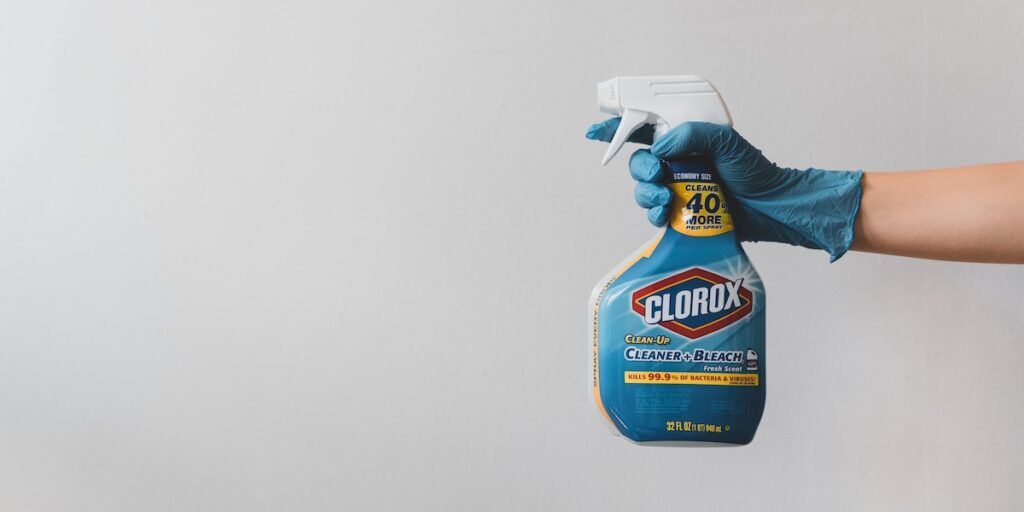
Cleaning products like bleach are antimicrobial.
–
What are Artificial Antimicrobials?
Artificial Microbials have been around for a long time. In fact, you may not realise that many of the products in your home are artificial antimicrobials because they’ve been used so extensively and effectively over the years. Products like dish soap, laundry detergent, toothpaste, mouthwash and more all use antimicrobials to help fight off bacteria on surfaces or produce before it becomes an issue.
–
Is one type of antimicrobial best?
The answer is not black or white. It depends on what you’re trying to achieve and on the resources that are available. Money, time and personal preference all factor into the decision-making process. Some people want all-natural products without harsh chemicals or fragrances in them; others may be looking specifically at tried and tested chemicals which have been shown scientifically time and again as effective against a variety of microbes. Some people may wish to use active ingredients like bleach in the bathroom but be more than happy to use lavender spray to wipe down furniture.
One of the most recent applications for antimicrobial products is in cleaning agents, like those used to clean medical devices. These days we might also see them on food packages or plastics; they can even make their way into paper goods such as toilet papers and wipes! Antimicrobial agents will kill any microbes that come into contact with it – meaning no more allergies from germs getting you sicker than necessary when touching items made out of fabrics or material which has been manufactured to include an artificial antimicrobial agent.

Veraco SAFE WRAP™ Antimicrobial Trolley Handle Wrap.
–
Modern Day Antimicrobial Technology
Antimicrobial technology is a hot topic and one that we all want to stay up-to-date on. There are many considerations when deciding about whether or not you should use Natural or Artificial Antimicrobials, but the key point is this: there’s no right answer for everyone. It can depend on your needs and preferences. What works for me might not work well for someone else, so it’s important to know what you need before making an informed decision about which product best suits your lifestyle. When it comes to your business it is important to consider that your customers are looking for companies that are taking their safety seriously.
At Veraco we use one of the oldest naturally occurring antimicrobials – Silver Ions (Ag). Silver Ions disrupt the microbe DNA preventing it from growing and developing. A sheet with regularly spaced Silver Ions embedded is continuously antimicrobial.
We offer a range of visible, simple to install products that continue to keep touchpoints safer to use between cleaning schedules.
