
Guide Contents
Introduction
Infection Control Strategies
Hand Hygiene Awareness
Surface Contamination
Innovation in 2024: Veraco Antimicrobial Surface Covers
Cost-Effective Solution and ROI Calculator
Action Plan for Staff Sickness and Unplanned Absences
Conclusion

–
Introduction:
Influenza Takes the Spotlight
Influenza has firmly secured its position as the second leading reason for staff sickness, contributing significantly to the overall surge in absenteeism. The statistics highlight a 29% increase in staff sickness attributed to colds, coughs, and flu. This suggests a substantial impact on both individual well-being and organisational productivity.
A Decade-High: Businesses Struggle with Absenteeism
Businesses, too, are grappling with the consequences of this surge in staff sickness. On average, employees took 7.8 days of sick leave during the past year, marking a significant increase from 5.8 days recorded in the late 2019 survey. This marks the highest absenteeism rate since 2010 [2]. The financial toll on businesses is estimated at £781 for each member of staff [3]. This emphasises the broader economic implications of the rise in staff sickness, urging employers to reassess workplace health measures.
The question now is, how do we reduce staff sickness? Can we take any learnings from the pandemic? Do businesses need to adopt a more clinical approach? Is 2024 the year where businesses implement an infection control strategy to reduce staff sickness?
The answer? By implementing a multi-faceted approach to infection control.
1. Hand Hygiene Awareness:
One of the fundamental pillars of infection control is hand hygiene. Ensuring there is enough awareness about proper handwashing techniques is paramount to reduce staff sickness. Regular handwashing with soap and water for at least 20 seconds significantly reduces the risk of spreading infections. Educational campaigns, signage, and workplace training can help reinforce the importance of this simple yet powerful practice.
2. Accessibility of Hand Sanitizer:
In addition to handwashing, having readily available hand sanitizer is crucial, especially in situations where soap and water may not be easily accessible. Placing hand sanitizer dispensers in strategic locations, such as entrances, common areas, and workstations, encourages individuals to maintain hand hygiene consistently. Accessibility is key to promoting widespread use and ultimately reducing staff sickness.
3. Regular Cleaning Operations:
Establishing a robust and regular cleaning schedule is essential for maintaining a hygienic environment. High-touch surfaces and common areas should be targeted frequently to prevent the accumulation and transmission of pathogens. Routine cleaning, using appropriate disinfectants, helps break the chain of infection and creates a safer space for everyone.
4. Protection of Touchpoints with Antimicrobial Products:
In addition to routine cleaning, protecting touchpoints and surfaces between cleaning intervals is vital. Antimicrobial products, such as those provided by Veraco, offer an extra layer of defence by continuously inhibiting the growth of microorganisms. Applying these products to frequently touched surfaces provides ongoing protection, reducing the risk of surface-to-person transmission.
5. Tracking and Measuring Success:
Implementing infection control measures is not a one-time effort; it requires continuous evaluation and improvement to be successful. Establishing a system for tracking and measuring success is crucial for assessing the effectiveness of implemented measures put in place to reduce staff sickness. Monitoring infection rates, compliance with hygiene practices, and the impact of interventions helps in making informed decisions and adapting strategies as needed.
Surface Contamination
In the bustling world of workplaces, surfaces play a crucial role, but they also pose a significant risk in spreading contamination. The alarming data highlights the severity of the issue and its financial implications for businesses, impacting performance and operational efficiency:
- Studies reveal that a staggering 82.93% of people do not wash their hands effectively.
- Shockingly, only 50% of surfaces are cleaned adequately.
- A whopping 80% of common infections are spread by hands.
This not only jeopardises the health of employees but also costs businesses money and hinders overall operational efficiency.
2024 Innovation to Help Reduce Staff Sickness
How Veraco can Reduce Staff Sickness
Veraco Antimicrobial Surface Covers are a groundbreaking 2024 hygiene innovation clinically proven in an initial study in collaboration with the NHS to reduce common staff sickness by an impressive 30.27% (colds, coughs, and flu).
Simply, apply Veraco antimicrobial covers to surfaces and immediately turn them into touchpoints that fight back against bacteria.
How Veraco Technology Works:
Veraco’s antimicrobial technology acts as a shield against surface contamination. After use, microorganisms adhere to touchpoints, creating a potential breeding ground for infections. Veraco’s surface covers trigger a reaction that disrupts the DNA and biological composition of these microorganisms, inhibiting their growth, preventing reproduction, and ultimately eliminating their ability to survive on the surface.
The Research Partnership with Imperial College Healthcare NHS Trust:
Veraco’s journey is marked by a commitment to rigorous research and development. The collaboration with Imperial College Healthcare NHS Trust signifies a pivotal step in validating the effectiveness of Veraco Antimicrobial Surface Covers. The multi-year clinical study conducted in real-world workplace settings has provided valuable insights into how the technology works, how it works alongside existing infection tools and the impact of Veraco on reducing staff sickness (colds, coughs, and flu).
“I highly recommend Veraco products to any organisation that is serious about infection control,” Mark Elsworthy, Head of Radiotherapy at ICHT, Charing Cross.
Businesses Adopting Veraco to reduce staff sickness:
As Veraco gains traction, businesses are increasingly recognising the value of incorporating this innovative solution into their infection control strategies. Big names such as CBRE & Wincanton among them. The positive feedback from those who have implemented Veraco underscores its seamless integration into existing protocols and the tangible benefits experienced by staff members.
“Veraco gives our staff and customers protection, confidence, and peace of mind. We are very happy to have appointed a company like Veraco who are leading innovators in hygienic touchpoint protection.”
Luke Robinson, H&S Programme, Strategy & Innovation Manager, Wincanton
Veraco’s Cost-Effective Solution to Reducing Staff Sickness:
The company has developed a calculator tool that demonstrates the Return on Investment (ROI), accessible for free on their website. By entering the average employee salary and total staff count, the calculator provides insightful calculations based on clinical evaluations. You can access it here: Veraco ROI Calculator. Based on 200 staff, there would be a saving of 92 working days & £15,280.15 in costs per year.
These are a cost effective solution retailing at approximately £10 +VAT and remain effective for 1 year (clinically proven).
Find out how Veraco can reduce staff sickness for your business here.
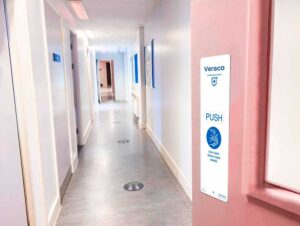
Long-Term Cost Savings
While initial investments may be required, the long-term cost savings are substantial. Reduced staff sickness, increased productivity, and a healthier workforce contribute to significant financial benefits for businesses.
Employee Morale and Retention
Employees value workplaces that prioritise their health and wellbeing. A comprehensive infection control strategy demonstrates a commitment to creating a safe and supportive environment, positively impacting employee morale and retention.
Action Plan for Staff Sickness and Unplanned Absences
1. Implementing an ACAS Sickness Policy Template
Adopting an ACAS (Advisory, Conciliation, and Arbitration Service) sickness policy template provides a structured framework for managing sick leave. This template outlines clear procedures for reporting sickness, obtaining medical certificates, and managing the return-to-work process. Having a well-defined policy ensures consistency and fairness in handling sick leave across the organisation.
2. Managing Sick Leave Effectively
Efficient management of sick leave involves communication, empathy, and support. Regular check-ins with employees on sick leave demonstrate concern for their wellbeing and can help identify any additional support needed. Establishing open lines of communication fosters a culture where employees feel comfortable reporting illnesses promptly.
3. Preventing Unplanned Leave through Employee Wellbeing Programs
Proactive measures, such as implementing employee wellbeing programs, contribute to preventing unplanned leave. These programs may include stress management initiatives, mental health resources, and initiatives promoting work-life balance. By addressing the root causes of stress and burnout, businesses can create a healthier work environment, reducing the likelihood of unplanned absences.
Conclusion
There’s no silver bullet to reducing staff sickness. In conclusion, by implementing an effective and multi-faceted infection control strategy business will save money, increase performance, well-being, operational efficiencies, customer satisfaction and employee retention.
Hand hygiene, access to hand sanitizers, regular cleaning, effective ventilation, surface protection, and ongoing monitoring are interconnected elements that, when combined, form a robust strategy for promoting public health.
The decade-high surge in staff sickness, propelled by the significant increase in influenza-related absences, paints a challenging picture for both the healthcare system and businesses. As organisations grapple with the aftermath of a global pandemic, understanding and addressing the factors contributing to this rise in absenteeism becomes crucial. This may be the time that businesses take infection control as seriously as Healthcare practices.
The reduction of staff sickness requires a holistic and multifaceted approach to infection control. Veraco Antimicrobial Surface Covers offer a groundbreaking solution, backed by clinical evidence, to combat surface contamination and reduce the spread of common infections. Integrating this innovation with other methods, such as robust hand hygiene programs, advanced air purification systems, and regular environmental cleaning, creates a comprehensive strategy that addresses various modes of transmission. Businesses that prioritise employee health and safety not only benefit from reduced sick days and increased productivity but also foster a positive and supportive workplace culture.
Embracing these innovative and proven infection control measures demonstrates a commitment to the wellbeing of the workforce, positioning the organisation as a leader in creating a healthy and resilient workplace for the future.
And that’s why businesses need to focus on implementing these strategies to reduce staff sickness in 2024.
