
Guide Contents
Introduction
Importance of maintaining safe and clean surfaces
Overview of the challenges faced in surface cleanliness
Current Challenges
Current Strategy
Risks of Surfaces In-between Cleaning
Modern Solution: Smart Surfaces
Conclusion

–
Introduction:
In the healthcare industry, maintaining clean and safe surfaces is crucial to prevent the transmission of infections and ensure patient safety. However, traditional cleaning methods may not always be sufficient to address the challenges posed by microbial contamination, biofilm formation, and cross-contamination. This blog explores the current challenges faced in surface cleanliness, the existing strategies employed, and the modern solution of smart surfaces that offer enhanced protection.
–
1. Current Challenges:
Accumulation of microorganisms:
Microorganisms can settle and multiply on surfaces that are not regularly cleaned. A study revealed that surfaces left uncleaned for 24 hours showed a significant increase in microbial contamination, including potential pathogens (Source 1). This accumulation of microorganisms increases the risk of transmission and poses a threat to patient safety.
Biofilm formation:
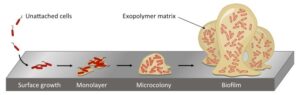
Biofilms are complex communities of microorganisms that develop on surfaces, particularly in moist environments. In between cleanings, biofilms can form, making it challenging to effectively remove microorganisms (Source 1). Biofilms act as protective layers for microorganisms, allowing them to persist and resist routine cleaning methods.
Cross-contamination:
Surfaces that are not regularly cleaned can become sources of cross-contamination. Microorganisms present on these surfaces can be transferred to other surfaces or objects through direct contact or airborne transmission, amplifying the risk of spreading pathogens (Source 1). This can contribute to the spread of healthcare-associated infections (HCAIs), leading to severe consequences for patients and healthcare systems.
–
2. Current Strategy:
To reduce the risk of surface contamination and prevent HCAIs, healthcare facilities employ the following strategies:
Hand Hygiene:
Proper hand hygiene practices are crucial for preventing the transmission of infections. Healthcare workers are encouraged to regularly wash their hands with soap and water or use alcohol-based hand sanitizers (Source 7). This strategy helps reduce the transfer of microorganisms from contaminated surfaces to patients and vice versa.
Sanitisation:
Sanitising surfaces using appropriate cleaning agents and disinfectants is a common practice in healthcare settings. Regular sanitisation helps eliminate a significant number of microorganisms present on surfaces, reducing the risk of transmission (Source 7).
Disinfection:
Disinfection involves the use of chemical agents to kill or inactivate microorganisms on surfaces. Disinfectants with broad-spectrum antimicrobial properties are employed to ensure effective pathogen eradication (Source 7). This strategy aids in maintaining a safer environment for patients and healthcare workers.
–
3. Risks of surfaces in-between cleaning:
Between regular cleaning regimes, surfaces are exposed to various risks that can compromise their cleanliness and contribute to the spread of infections. These risks include the accumulation of microorganisms, the formation of biofilms, and the potential for cross-contamination. Traditional cleaning methods may not effectively address these challenges, leaving surfaces vulnerable to microbial colonisation and transmission of pathogens (Source 1).
Insufficient protection with traditional methods:
While hand hygiene, sanitisation, and disinfection are important strategies in preventing HCAIs, they primarily focus on immediate cleaning and disinfection processes. However, these methods may not provide continuous protection between cleaning intervals. Without a solution that addresses the risks during this in-between period, surfaces can quickly become recontaminated, potentially leading to an increased risk of infection transmission (Source 1).
–
4. Modern Solution: Smart Surfaces
Modern Solution: Smart Surfaces
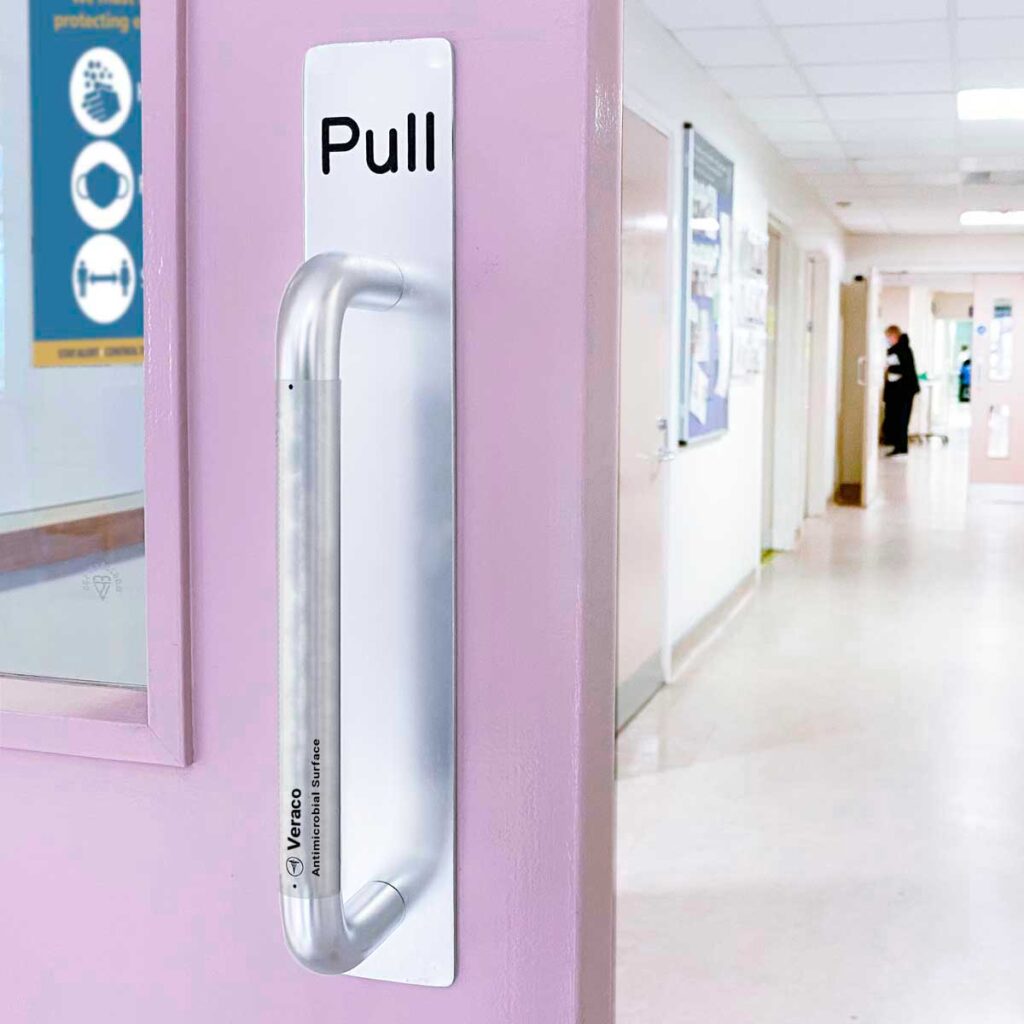
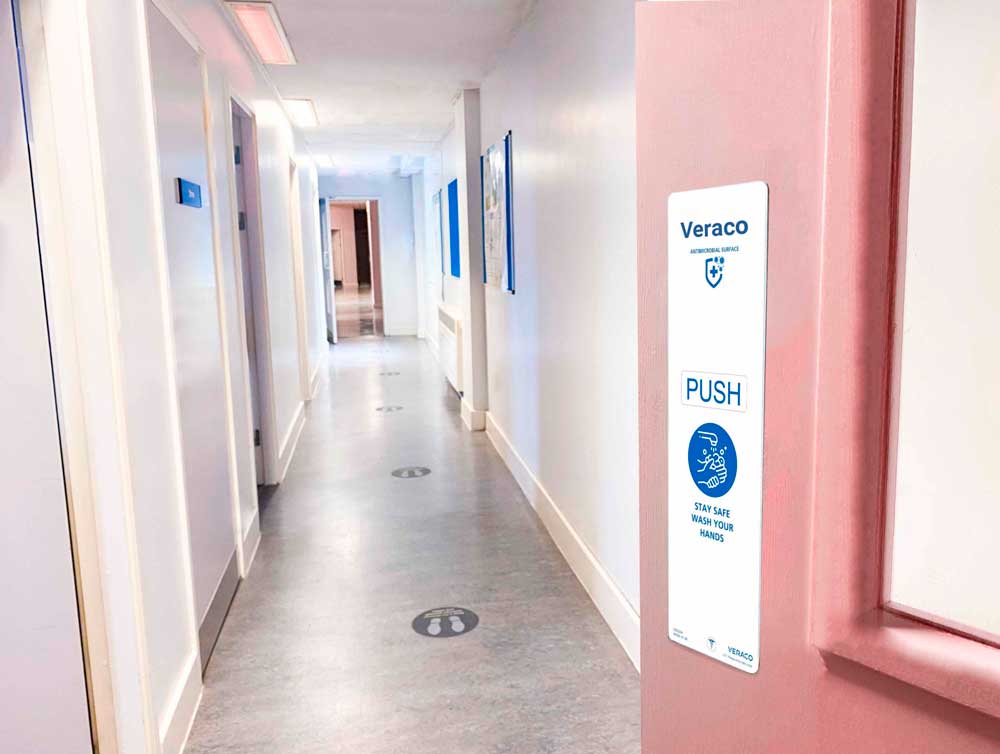
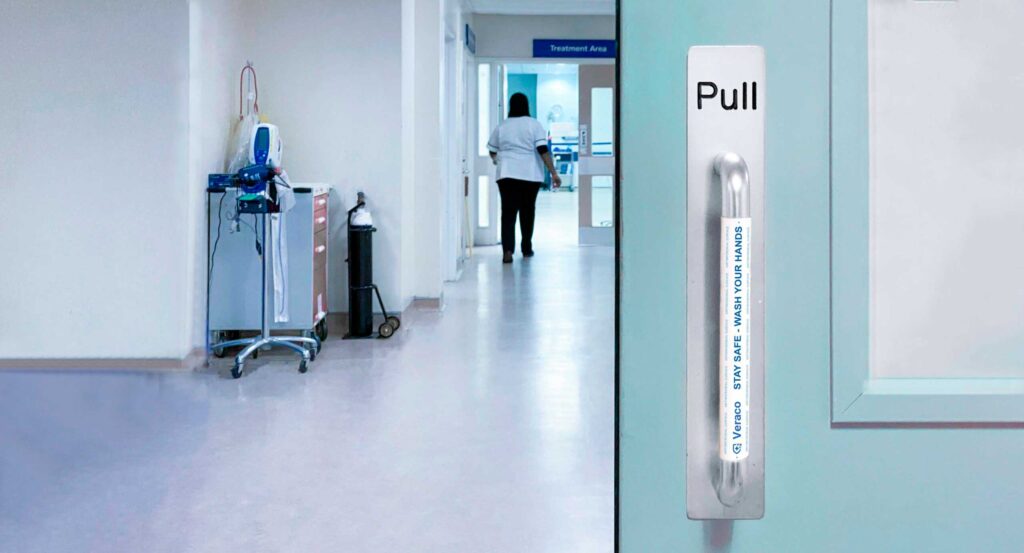
To address the challenges posed by surface contamination, the implementation of smart surfaces has emerged as a modern and vital solution. One such example is Veraco, an antimicrobial surface that has been clinically proven to enhance surface cleanliness in healthcare settings.
Veraco is a unique solution providing protection where and when traditional cleaning does not. Veraco offers a unique and vital solution that addresses the challenges faced by surfaces in-between cleaning. Unlike traditional methods, Veraco provides continuous protection and maintains surface cleanliness even in between cleaning. Its key features make it an indispensable component in achieving comprehensive surface protection:
Veraco offers several benefits in terms of preventing microbial contamination:
Long-lasting antimicrobial properties:
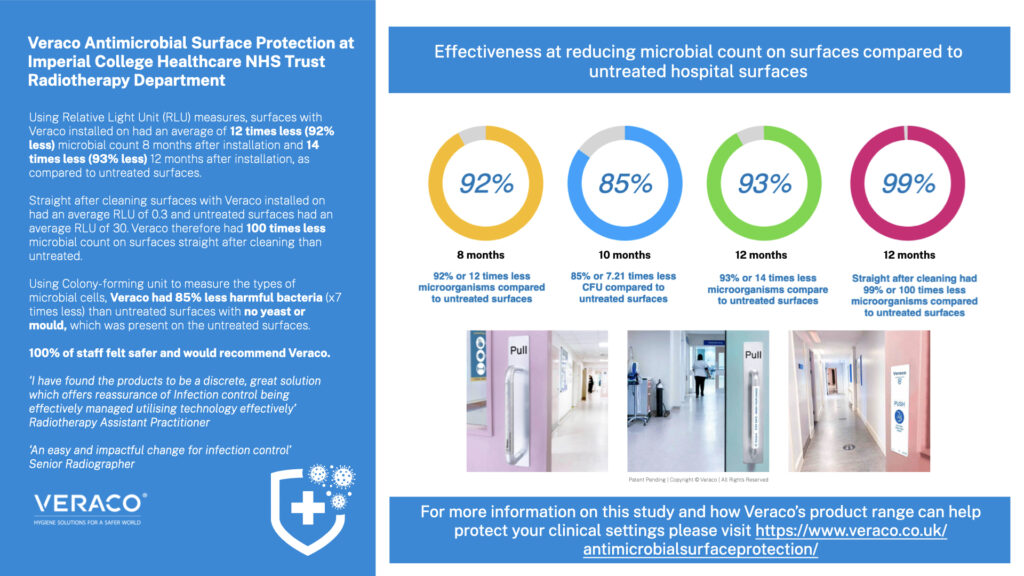
Veraco has been shown to harbour 93% fewer microbes 12 months after installation compared to untreated surfaces (Source Veraco). Its antimicrobial properties persist over time, providing continuous protection against harmful microorganisms.
Immediate reduction in microbial count:
After cleaning, Veraco surfaces demonstrated an average of 99% fewer microbial counts compared to untreated surfaces (Source Veraco). This immediate reduction in microbial load helps maintain a cleaner and safer environment for patients and healthcare professionals.
Effective against a wide range of pathogens:
Veraco provides up to 99.99% reduction in pathogens such as MRSA, E.coli, Salmonella, Listeria, Golden staph, Staphylococcus aureus, Pseudomonas aeruginosa, and 99.96% against C.Diff (Source Veraco). This broad-spectrum efficacy ensures
that a wide range of harmful bacteria and pathogens are effectively targeted, further reducing the risk of transmission and HCAIs.
Easy implementation and integration:
One of the advantages of Veraco is its seamless integration with regular cleaning protocols. It does not require any special measures or additional steps beyond routine cleaning procedures. This makes it easy to implement in healthcare facilities without disrupting existing workflows or incurring significant additional costs (Source Veraco).
In-text citations:
Study on microbial contamination: (Source 1)
Hand hygiene, sanitization, and disinfection as current strategies: (Source 7)
Veraco clinical evidence and benefits: (Source Veraco)
–
5. Conclusion
Smart surfaces, exemplified by products like Veraco, have emerged as a modern and vital component in creating safer surfaces, particularly in healthcare settings. These surfaces address the challenges posed by microbial contamination, biofilm formation, and cross-contamination that traditional cleaning methods may struggle to effectively combat. By offering long-lasting antimicrobial properties, reduction in microbial counts, and efficacy against a wide range of pathogens, smart surfaces can significantly contribute to reducing the risk of transmission and HCAIs as well as many other benefits. Furthermore, their seamless integration with existing cleaning protocols makes them an easily implementable solution. Embracing smart surfaces as part of comprehensive infection control strategies can help healthcare facilities create safer environments, protect patients and healthcare workers, and mitigate the financial burden associated with HCAIs.
–
Get in touch for more information!
–
References
- Otter, J.A., Yezli, S., Salkeld, J.A. et al. Evidence that contaminated surfaces contribute to the transmission of hospital pathogens and an overview of strategies to address contaminated surfaces in healthcare settings. Antimicrob Resist Infect Control 2, 80 (2013). LinkPublic Health England. Healthcare-associated infections: annual epidemiological commentary 2018 to 2019. Updated July 2020. LinkWeber DJ, Anderson D, Rutala WA. The role of the surface environment in healthcare-associated infections. Curr Opin Infect Dis. 2013;26(4):338-344.Dancer SJ. Importance of the environment in meticillin-resistant Staphylococcus aureus acquisition: the case for hospital cleaning. Lancet Infect Dis. 2008;8(2):101-113.Boyce JM, Havill NL, Havill HL, Mangione E, Dumigan DG, Moore BA. Comparison of fluorescent marker systems with 2 quantitative methods of assessing terminal cleaning practices. Infect Control Hosp Epidemiol. 2011;32(12):1187-1193.Veraco website: www.veraco.co.uk
