
Guide Contents
Introduction: Effects of sick building syndrome
1. What Causes Sick Building Syndrome?
2. Sick Building Syndrome Examples
3. Sick Building Syndrome Treatment
4. Benefits of Healthy Buildings
5. Benefits of Antimicrobial Surfaces
6. Benefits of a Visible Clean Work Environment
7. The Importance of Surface Hygiene
8. Risk of Poor Surface Hygiene Cleanliness
9. ESG and Sick Building Syndrome
Conclusion

–
Introduction: Effects of sick building syndrome
Sick Building Syndrome (SBS) refers to a condition that occurs when people experience symptoms while in a particular building or indoor environment. The symptoms often occur as a result of prolonged exposure to poor indoor air quality, which is caused by various factors. SBS has become a significant issue in recent years as it affects the health and well-being of occupants of buildings. This blog aims to explore the causes of SBS, provide examples of SBS, discuss the treatment of SBS, and emphasise the benefits of healthy buildings, particularly the benefits of antimicrobial surfaces, a visible clean work environment, the importance of surface hygiene, and the risks of poor surface hygiene cleanliness. Additionally, the blog discusses the relationship between SBS and Environmental, Social, and Governance (ESG) considerations.
–
1. What Causes Sick Building Syndrome?
Sick Building Syndrome results from prolonged exposure to poor indoor air quality in a building. Various factors contribute to poor indoor air quality, which may cause SBS symptoms. These factors include inadequate ventilation, chemical and biological contaminants, and poor lighting and acoustics.
Inadequate Ventilation: Inadequate ventilation is one of the primary causes of SBS. Poor ventilation results in the accumulation of carbon dioxide (CO2), volatile organic compounds (VOCs), and other pollutants in the indoor air. These pollutants cause irritation and discomfort to the occupants of the building. Additionally, inadequate ventilation increases the concentration of allergens, such as dust mites and mould spores, in the indoor air, which may trigger allergic reactions.
Chemical and Biological Contaminants: Chemical and biological contaminants also contribute to poor indoor air quality. Chemical contaminants include cleaning products, pesticides, and building materials, among others. Biological contaminants include mould, bacteria, and viruses. Exposure to these contaminants may cause SBS symptoms such as headache, nausea, and dizziness.
Poor Lighting and Acoustics: Poor lighting and acoustics in a building may also contribute to SBS. Poor lighting may cause eye strain, headaches, and fatigue, while poor acoustics may cause distraction and stress.
–
2. Sick Building Syndrome Examples
Sick Building Syndrome has been observed in various buildings worldwide. One example is the Sejong government complex in South Korea, which opened in 2013. The building was designed to be energy-efficient and eco-friendly, but it was later discovered that it had poor indoor air quality, leading to SBS symptoms among its occupants. The cause of the poor indoor air quality was traced to the building’s ventilation system, which was not functioning optimally.
Another example is the National Institute for Occupational Safety and Health (NIOSH) building in Cincinnati, Ohio. The building was constructed in 2011 and was expected to be a model of energy efficiency and sustainability. However, the building’s occupants began experiencing SBS symptoms, including headache, dizziness, and fatigue. Investigations revealed that the building’s ventilation system was malfunctioning, leading to poor indoor air quality.
–
3. Sick Building Syndrome Treatment
The treatment of Sick Building Syndrome involves identifying and eliminating the causes of poor indoor air quality. Treatment may include the following steps:
- Improving Ventilation: Improving ventilation is an effective way to reduce the concentration of indoor pollutants. Increasing the supply of fresh air from outside and removing stale air can help to reduce CO2 levels, VOCs, and other pollutants.
- Eliminating Contaminants: Eliminating chemical and biological contaminants is critical in treating SBS. This may involve reducing the use of cleaning products, pesticides, and other chemicals that emit VOCs. Additionally, identifying and removing sources of mould and other biological contaminants can improve indoor air quality.
- Improving Lighting and Acoustics: Improving lighting and acoustics in a building may also help to treat SBS. Adequate lighting can help to reduce eye strain, headaches, and fatigue, while improved acoustics can reduce stress and distraction.
- Regular Maintenance: Regular maintenance of the building’s HVAC system, including cleaning and replacing air filters, can help to ensure optimal indoor air quality.
- Antimicrobial Surfaces: The use of antimicrobial surfaces can also help to reduce the spread of bacteria and viruses, which are common sources of indoor pollutants. Antimicrobial surfaces can inhibit the growth of microorganisms, reducing the risk of contamination.
–
4. Benefits of Healthy Buildings
Maintaining a healthy building can have numerous benefits, including improved occupant health, increased productivity, and reduced energy costs. Two key factors in creating a healthy building are maintaining a visible clean work environment and ensuring surface hygiene.

–
5. Benefits of Antimicrobial Surfaces
Antimicrobial surfaces offer numerous benefits in promoting surface hygiene and reducing the spread of disease. Antimicrobial surfaces can help to reduce the spread of bacteria and viruses, reducing the risk of illness among building occupants. Additionally, antimicrobial surfaces can help to reduce the need for harsh cleaning chemicals, which can contribute to poor indoor air quality.
–
6. Benefits of a Visible Clean Work Environment
Maintaining a visible clean work environment can also have numerous benefits. A visible clean work environment can help to reduce stress and promote a sense of well-being among building occupants. Additionally, a clean work environment can improve productivity, as employees are less distracted by clutter and mess.
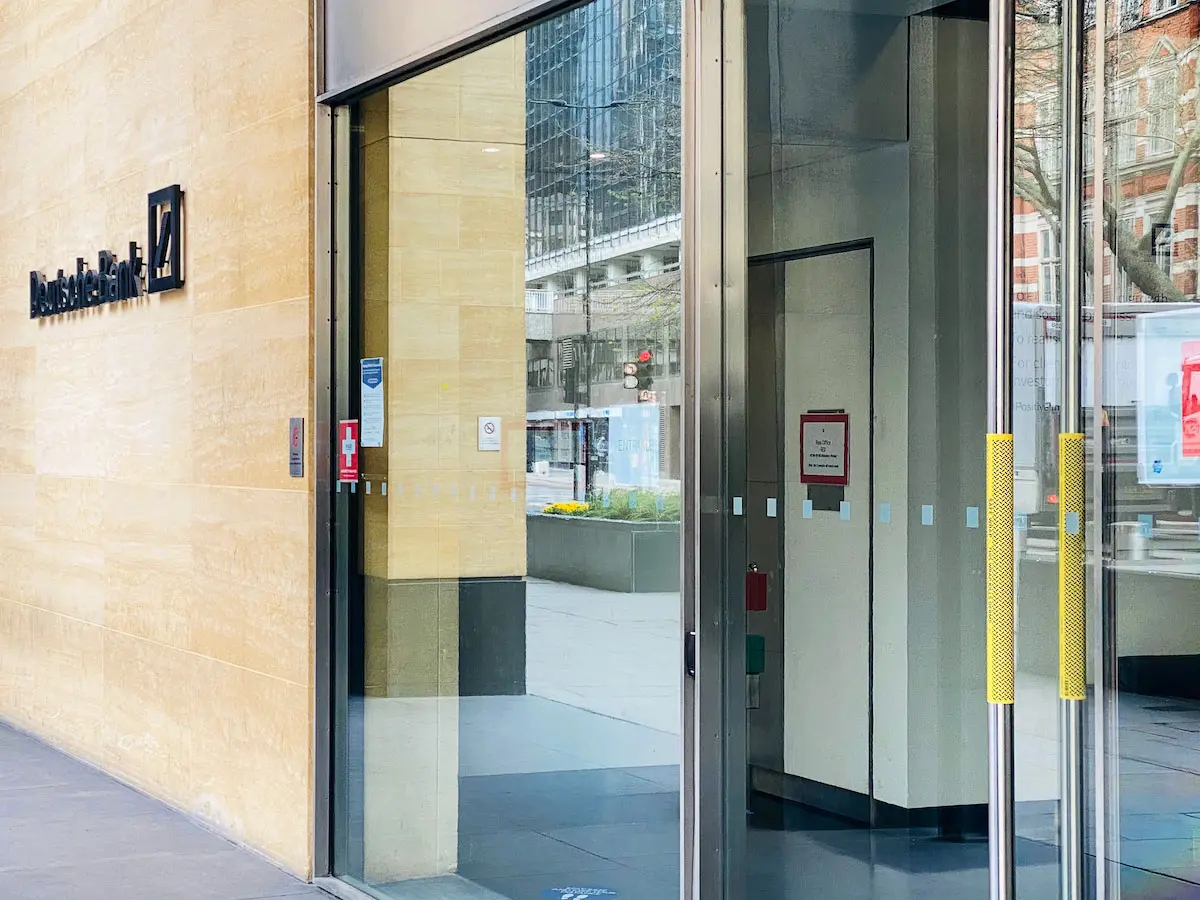
Veraco’s Antimicrobial Surfaces: How They Helped Deutsche Bank Achieve a Safer and Cleaner Workspace for Employees and Customers.
–
7. The Importance of Surface Hygiene
Surface hygiene is critical in maintaining a healthy building environment. Surface hygiene involves regular cleaning and disinfection of surfaces to reduce the spread of disease-causing microorganisms. Effective surface hygiene can help to reduce the risk of illness among building occupants and promote a healthy work environment.
–
8. Risk of Poor Surface Hygiene Cleanliness
Poor surface hygiene cleanliness can have numerous negative effects on building occupants. Poor surface hygiene can contribute to the spread of disease-causing microorganisms, leading to illness among building occupants. Additionally, poor surface hygiene can contribute to poor indoor air quality, as the use of harsh cleaning chemicals can release VOCs into the air.
–
9. ESG and Sick Building Syndrome
Environmental, Social, and Governance (ESG) considerations are increasingly important in the construction and maintenance of buildings. SBS can have significant social and environmental impacts, as it can contribute to poor indoor air quality and promote the spread of disease. Building owners and managers who prioritise ESG considerations in the construction and maintenance of buildings can help to reduce the risk of SBS and promote a healthier work environment.
–
Conclusion
Sick Building Syndrome is a significant issue that can have negative impacts on building occupants’ health and well-being. The causes of SBS include poor ventilation, chemical and biological contaminants, and poor lighting and acoustics.
Treatment of SBS involves identifying and eliminating the causes of poor indoor air quality, including improving ventilation, eliminating contaminants, improving lighting and acoustics, and regular maintenance.
Maintaining a healthy building can have numerous benefits, including improved occupant health, increased productivity, and reduced energy costs. Building owners and managers who prioritise ESG considerations in the construction and maintenance of buildings can help to reduce the risk of SBS and promote a healthier work environment.
–
Get in touch now and we’ll show you how we can help your building.
–
References
- What Causes Sick Building Syndrome:
National Institute of Occupational Safety and Health. (2017). Sick Building Syndrome. https://www.cdc.gov/niosh/topics/indoorenv/sickbuilding.html
World Health Organization. (1984). Indoor Air Quality: Organic Pollutants. https://www.euro.who.int/__data/assets/pdf_file/0009/156733/E71922.pdf
- Sick Building Syndrome Examples:
Occupational Safety and Health Administration. (n.d.). Sick Building Syndrome. https://www.osha.gov/SLTC/sickbuilding/
National Institutes of Health. (2019). Sick Building Syndrome. https://medlineplus.gov/sickbuildingsyndrome.html
- Sick Building Syndrome Treatment:
U.S. Environmental Protection Agency. (2021). Indoor Air Quality. https://www.epa.gov/indoor-air-quality-iaq/sick-building-syndrome
Occupational Safety and Health Administration. (n.d.). Indoor Air Quality. https://www.osha.gov/SLTC/indoorairquality/
- Benefits of Healthy Buildings:
World Green Building Council. (2014). Health, Wellbeing, and Productivity in Offices: The Next Chapter for Green Building. https://www.worldgbc.org/sites/default/files/WorldGBC%20%20Health%20Wellbeing%20Productivity%20in%20offices.pdf
Harvard T.H. Chan School of Public Health. (2017). The 9 Foundations of a Healthy Building. https://forhealth.org/the-9-foundations-of-a-healthy-building/
- Benefits of Antimicrobial Surfaces:
Centers for Disease Control and Prevention. (2021). Antimicrobial Surface Coatings for Reducing Hospital-Acquired Infection. https://www.cdc.gov/hai/prevent/environment/antimicrobial-surface-coatings.html
U.S. Environmental Protection Agency. (2017). Antimicrobial Products. https://www.epa.gov/pesticide-registration/antimicrobial-products
- Benefits of a Visible Clean Work Environment:
Harvard Business Review. (2018). Why a Clean Workspace Matters for Your Productivity. https://hbr.org/2018/01/why-a-clean-workspace-matters-for-your-productivity
Environmental Protection Agency. (n.d.). Importance of Cleanliness in the Workplace. https://www.epa.gov/sites/production/files/2014-08/documents/importance_of_cleanliness_in_the_workplace.pdf
- The Importance of Surface Hygiene:
Centers for Disease Control and Prevention. (2021). Cleaning and Disinfecting Your Facility. https://www.cdc.gov/coronavirus/2019-ncov/community/disinfecting-building-facility.html
Occupational Safety and Health Administration. (n.d.). Hazard Communication: Cleaning Chemicals and Your Health. https://www.osha.gov/SLTC/hazardcommunications/cleaningchemicals.html
- Risk of Poor Surface Hygiene Cleanliness:
Environmental Protection Agency. (n.d.). Volatile Organic Compounds’ Impact on Indoor Air Quality. https://www.epa.gov/indoor-air-quality-iaq/volatile-organic-compounds-impact-indoor-air-quality
Centers for Disease Control and Prevention. (2021). Healthcare-Associated Infections. https://www.cdc.gov/hai/about/index.html
- ESG and Sick Building Syndrome:
United Nations Environment Programme. (2020). The Business Case for Healthy Buildings. https://www.unep.org/resources/report/business-case-healthy-buildings
