
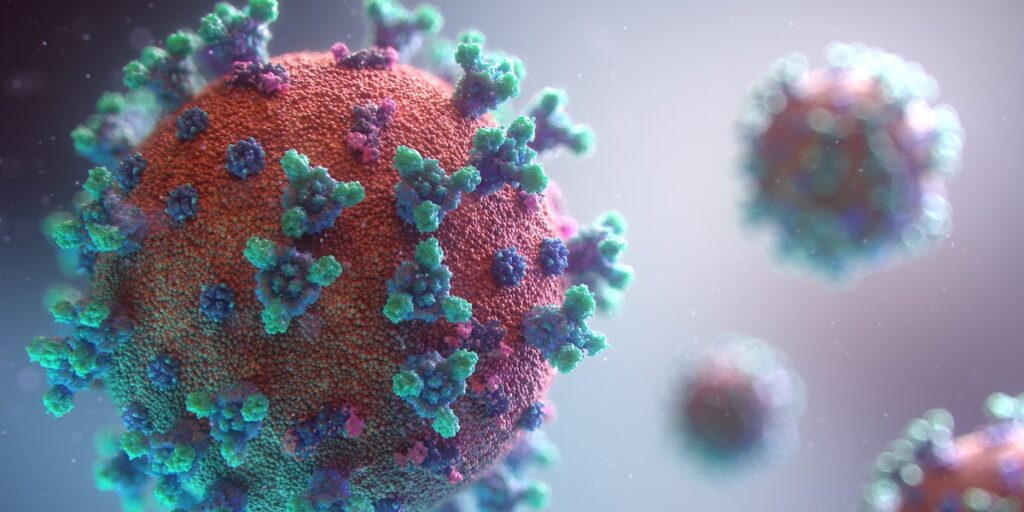
In this piece we look at the ways antimicrobial products come up against viruses.
–
Do antimicrobial products kill viruses?
The coronavirus pandemic has heightened everyone’s awareness of harmful germs and particles and what we can do to halt the spread of viruses. Every office, restaurant and supermarket will have some form of hand sanitiser available as you enter, whilst the wearing of face masks has become an accepted form of everyday life.
Whether at home or out in a public space, microorganisms will most likely be around. Many of them simply offer no risk to humans, however there are microorganisms such as bacteria, viruses and fungi which can be present and pose a threat.
Taking active precautions, primarily practising good hygiene, is important for reducing the risk posed by harmful bacteria. In this piece we look at the ways antimicrobial products come up against viruses.
–
What are antimicrobial products?
There’s a good chance you will have come across antimicrobial products, even if you might not have heard the term used commonly.
Antimicrobials kill and prevent the spread of microorganisms such as bacteria, fungi and viruses and you’ll find them in a wide range of products, from cleaning products such as handwashes and disinfectants to medicines and even cosmetic goods.
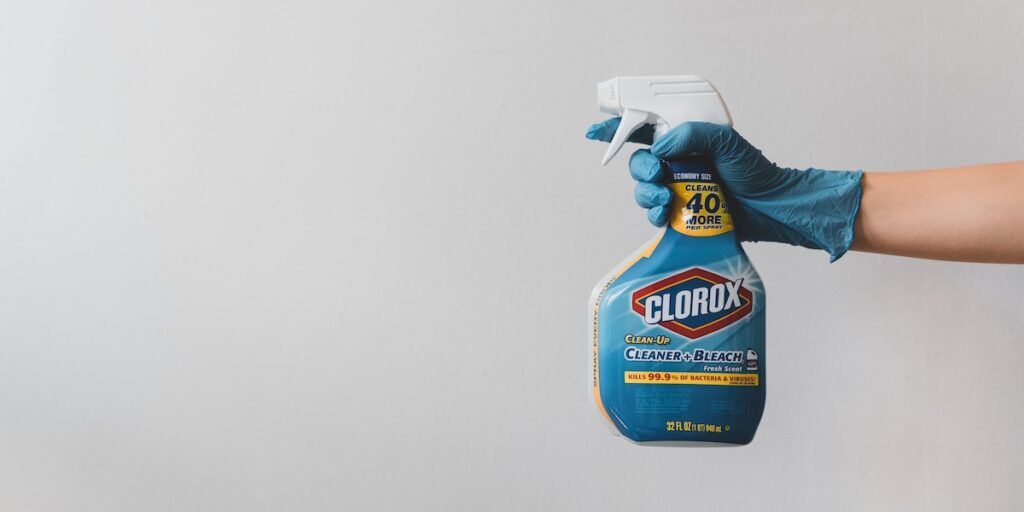
Cleaning products like bleach are antimicrobial.
–
Antimicrobial vs Antibacterial
While you might not have heard of antimicrobial products, you’ll almost certainly have heard of antibacterial products, but how do the two differ? Both antibacterial and antimicrobial products can play an effective part in maintaining good hygiene standards.
Antibacterial products help to prevent or kill bacteria on surfaces, while antimicrobials are substances that kill or slow the spread of microorganisms such as bacteria, viruses, or fungi. They are vital for helping to prevent and stop the spread of harmful microbes and, in turn, bugs and viruses.
–
What viruses can antimicrobial products kill?
Viruses that can be expelled into the air by coughing, breathing or speaking can settle on surfaces, where they linger in an active state for days and easily be transferred to other surfaces, food and people.
Antimicrobial is the general term for any product or ingredient that kills or inhibits bacteria, viruses or mould. You’ll find many cleaning products that claim on the packet to be “effective against norovirus” or “effective against coronavirus”, which means these products can kill or destroy the bacteria which lead to these viruses spreading.
The Environmental Protection Agency (EPA) regularly publishes a list of products that meet the EPA’s criteria for use against SARS-CoV-2, the cause of COVID-19. When tested, these antimicrobial products kill the SARS-CoV-2 virus on surfaces.
The EPA also publishes similar lists to show products that can be used against other viruses, including norovirus and the Hepatitis B virus.

Veraco SAFE WRAP™ Antimicrobial Trolley Handle Wrap.
–
Are antimicrobial products safe?
Provided that they are used in line with the instructions provided, antimicrobial products have been shown to be safe and effective in fighting the spread of harmful bacteria and fungi.
Antimicrobial technology stretches back thousands of years to the ancient Egyptians, who used plant extracts and moulds to treat infections.
In the modern day, antimicrobial technology has been used in the production of coverings that make public spaces safer, through the use of silver ions in contact points; silver being a natural antimicrobial that kills bacteria, fungi and viruses.
–
Where can I find antimicrobial products?
You can find antimicrobial products for sale in your local supermarket or homeware store or encounter them when you’re out and about!
From handwashes and toothpastes to disinfectants and sterilisers, they’re used on a regular basis in the home. Next time you’re out, you might notice antimicrobial door handle wraps, light switches and even supermarket trolleys that work to prevent the growth and spread of bacteria and viruses.
