
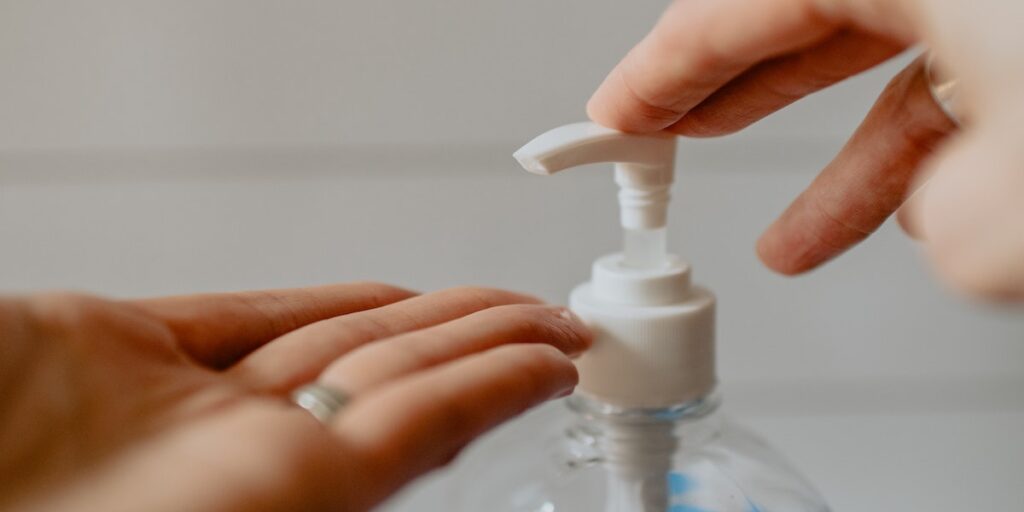
Alcohol-based hand sanitisers have antimicrobial properties.
–
A Guide to Antimicrobial Cleaning Supplies
The coronavirus pandemic has made us all far more aware of the dangers of germs and microorganisms and the importance of cleanliness. The sales of hand sanitiser and surface disinfectants surged in 2020 as everybody made clean hands and clean environments a priority.
Regardless of your environment, microorganisms will always be present, and while some can play a positive role, many are harmful. Bacteria, fungi and viruses are all microorganisms that can be present in an environment; getting the right cleaning supplies and cleaning tools and equipment is vital to stop the spread of viruses like COVID-19.
We’ve put together some antimicrobial guidelines for you to use when sourcing cleaning supplies and equipment.
–
Look for Antimicrobial Products, Not Antibacterial
The terms “antimicrobial” and “antibacterial” are often used interchangeably, and while there are similarities between them, it’s crucial to find antimicrobial products when looking for cleaning supplies.
The critical difference between antimicrobial and antibacterial is that antibacterial products only inhibit the growth and kill bacteria and only bacteria, whereas antimicrobials kill and stop fungi, viruses, parasites and bacteria from growing.
This means that an antibacterial cleaning product will not stop the spread of illnesses and infections like coronavirus, the flu or even the common cold, but antimicrobial cleaning supplies will.
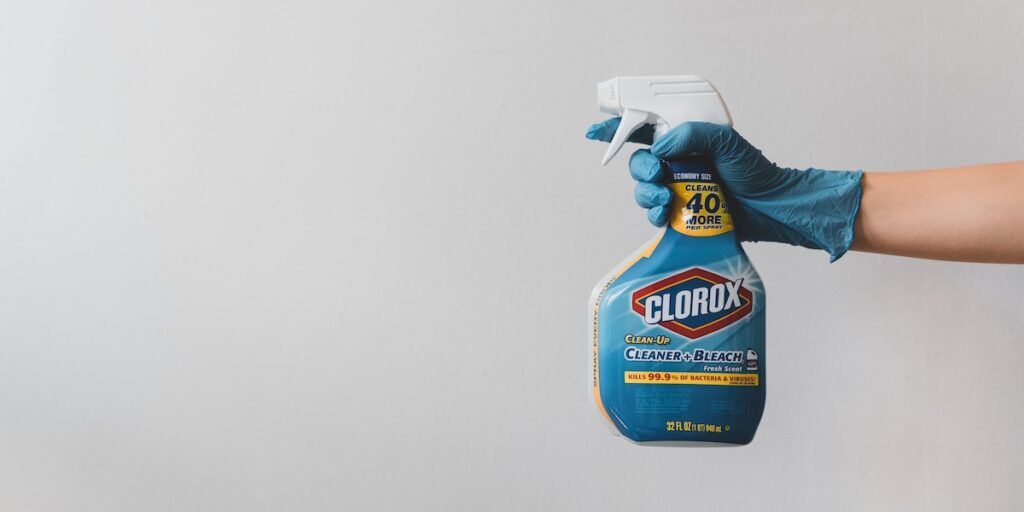
Cleaning products like bleach are antimicrobial.
–
Antimicrobial Cleaning Supplies
As antimicrobials can kill most microorganisms, they’re perfect for both industrial and household cleaning products. Antimicrobials are in cleaning supplies like:
- Detergents
- Bleach
- Sterilisers
- All-purpose cleaners.
Using antimicrobial cleaning supplies ensures that you will stop the spread of various microorganisms and gives you the peace of mind that whatever you’re cleaning is actually clean.
One ingredient to look out for when looking for antimicrobial products is alcohol. Alcohol has antimicrobial properties, which means that it can kill bacteria, fungi and viruses with the right concentration. During the pandemic, antimicrobial guidelines focused on clean hands to prevent the spread of COVID-19, and it was predominantly alcohol-based hand sanitisers that people used.
–
Antimicrobial Cleaning Tools and Equipment
Cleaning tools and equipment are rarely cleaned themselves, which leaves them vulnerable to microbial contamination. This contamination means that they can quickly deteriorate, and contamination can spread from the cleaning equipment.
Even if they’re cleaned regularly, it’s challenging to ensure that cleaning equipment is thoroughly disinfected and sanitary. If they’re not, then the cleaning you’ve done will spread microorganisms and allow them to grow in new areas.
Antimicrobial technology and coverings for cleaning tools and equipment mean that your cleaning equipment is kept clean and sanitary. There are various cleaning products available with antimicrobial technology, like mop handles, toilet brushes and dustpans.

Veraco SAFE WRAP™ Antimicrobial Trolley Handle Wrap.
–
Self-Cleaning Tools and Equipment
Common touchpoints are one of the easiest ways for microorganisms to spread and grow. Just by walking into a room, a person can bring 37 million bacteria with them. Regardless of how often you clean equipment, it’s difficult to make sure that it’s thoroughly disinfected as every touch can cause contamination.
Cleanliness has become even more critical over the last year, so manufacturers are using antimicrobial technology to create products that stop microbes from spreading. These products are “self-cleaning” in that they constantly work to kill or inhibit the growth of bacteria, fungi and viruses on their surfaces and prevent the spread of infection.
Supermarkets have implemented antimicrobial technology on shopping trolleys and baskets to stop the spread of viruses like COVID-19, and many businesses are starting to use similar solutions. While these antimicrobial coverings and products still need to be cleaned regularly, they “self-clean” on a microscopic level to destroy microorganisms.
